Eco-Friendly Paper Alternatives for a Hospitality Brand Launch
In hospitality, even the smallest printed object can help add to the atmosphere.
A launch invitation. A folded menu. A welcome card left in a room with the light still coming in sideways through the curtains. These things are small, often overlooked, and yet they say more than they seem to. They tell a guest what kind of care lives here. They tell a traveller whether this brand is merely styled, or whether it has been thought through.
For hospitality and travel brands, that distinction matters.
A boutique hotel, retreat, restaurant, or tour company is not selling paper. It is selling atmosphere, memory, trust, and a sense of place. But the materials surrounding a launch still shape that feeling. The stock of a card, the finish on a menu, the weight of a brochure in the hand. All of it becomes part of the story.
So if sustainability is already part of the values behind the business, it makes sense for the printed details to reflect that too.
This is where eco-friendly paper alternatives become more than a nice extra. They become a design decision that supports the brand you are trying to build.
Why paper still matters in a hospitality brand launch
In hospitality, a brand rarely lives in one place.
It lives online, yes, but it also lives in room compendiums, tasting menus, itinerary folders, event signage, welcome notes, launch invitations, takeaway cards, hangtags, and printed inserts that guests carry home in the side pocket of a suitcase. The tactile layer still matters because hospitality is physical by nature.
That is especially true for independent brands whose story is rooted in place. When the experience is thoughtful, local, and built with care, the materials around it should feel the same.
A strong launch is not about printing more. It is about printing with intention. The pieces that remain should earn their place.
If you are shaping the broader rollout of your brand, this is also where a strong brand launch plan starts to matter. The printed touchpoints should not feel like an afterthought. They should feel like part of the same world.
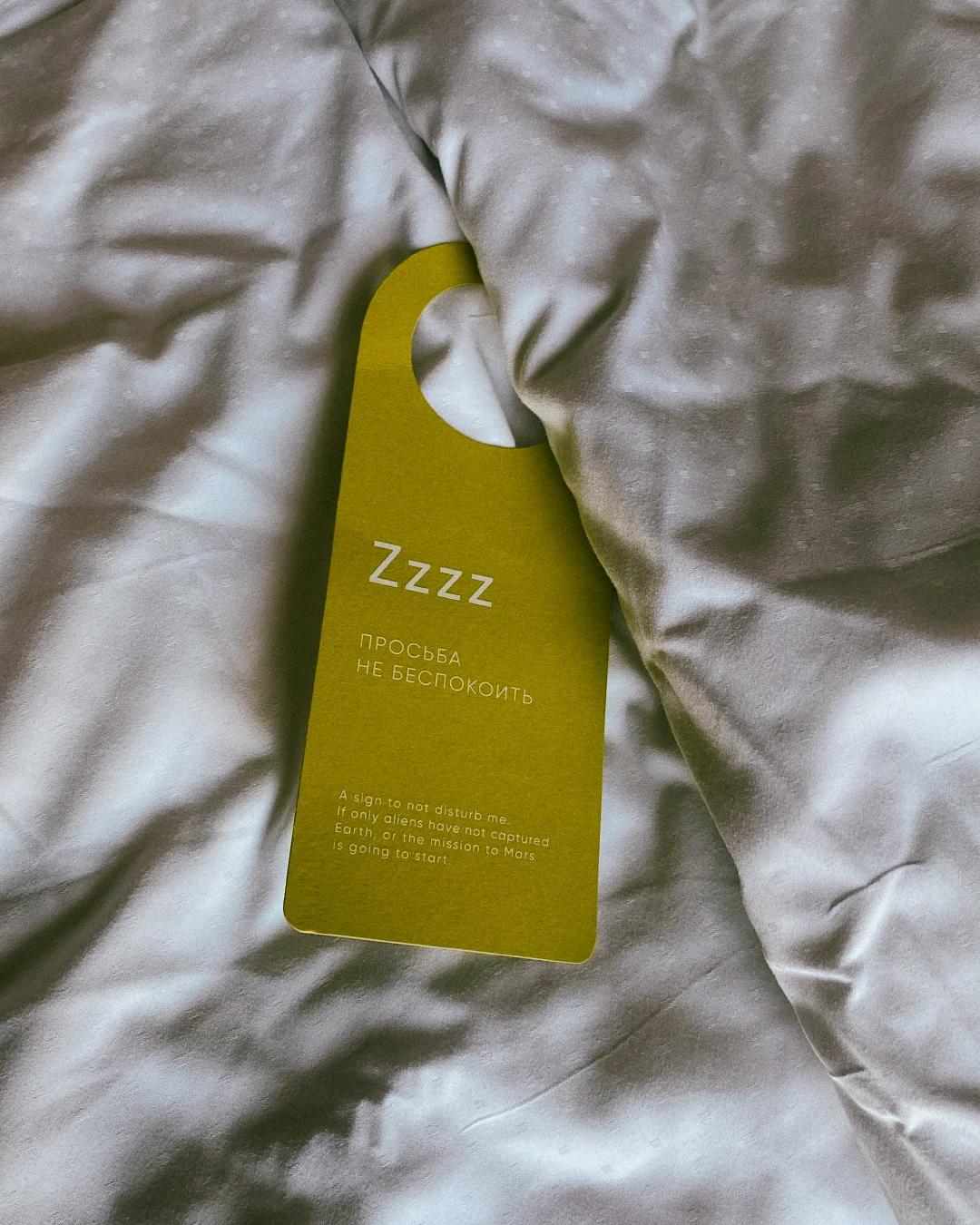
Small printed details, even a door hanger, help shape how a hospitality brand feels in the room itself.
What to look for before you print
Not all “eco” labels are created equally. Some are meaningful. Some are decorative.
The simpler choice is usually the better one: fewer materials, better sourcing and less coatings.
A good starting point is recycled stock, especially paper labelled PCW, or post-consumer waste. For hospitality brands, it can also help to think beyond the page itself.
Print only what supports the guest experience
A launch does not need ten different pieces because ten pieces look impressive in a mockup. It needs the few that actually deepen the experience.
A restaurant, like Camp Cantina, may need menus, takeaway cards, and event inserts.
A retreat, like Reyou, might need welcome folders, room notes, and spa guides.
A boutique tour company, like Chile Off Track, may need printed itineraries only where they genuinely improve the journey.
The rest can stay digital.
Watch the finish, not just the fibre
A beautiful paper stock can lose some of its environmental logic once heavy coatings, laminates, or difficult-to-recycle finishes are layered on top. Uncoated or lightly finished stocks often feel more grounded anyway.
You (and your guests) will notice that these uncoated stocks feel better in the hand and will reflect your values in a more honest way.
Choose partners who understand hospitality
This matters more than people think.
A printer who understands packaging is useful. A printer who understands tactile brand experience is better. Hospitality brand materials live close to the guest, so the details need to hold up under handling, moisture, travel, and repetition.
If your tactile system still feels unresolved, this is often a sign the brand needs deeper foundations, not just prettier pieces. That is where a brand strategy becomes part of the conversation.
Be awarae of the ways paper stock is considered “recycled”
It’s also important to note that there are three different ways paper stock is considered “recycled”:
The material itself is recyclable
The paper is made from 100% recycled material
The paper is made partially from recycled material
Don’t be afraid to ask your local print shop questions about what category their recycled paper stock falls into.
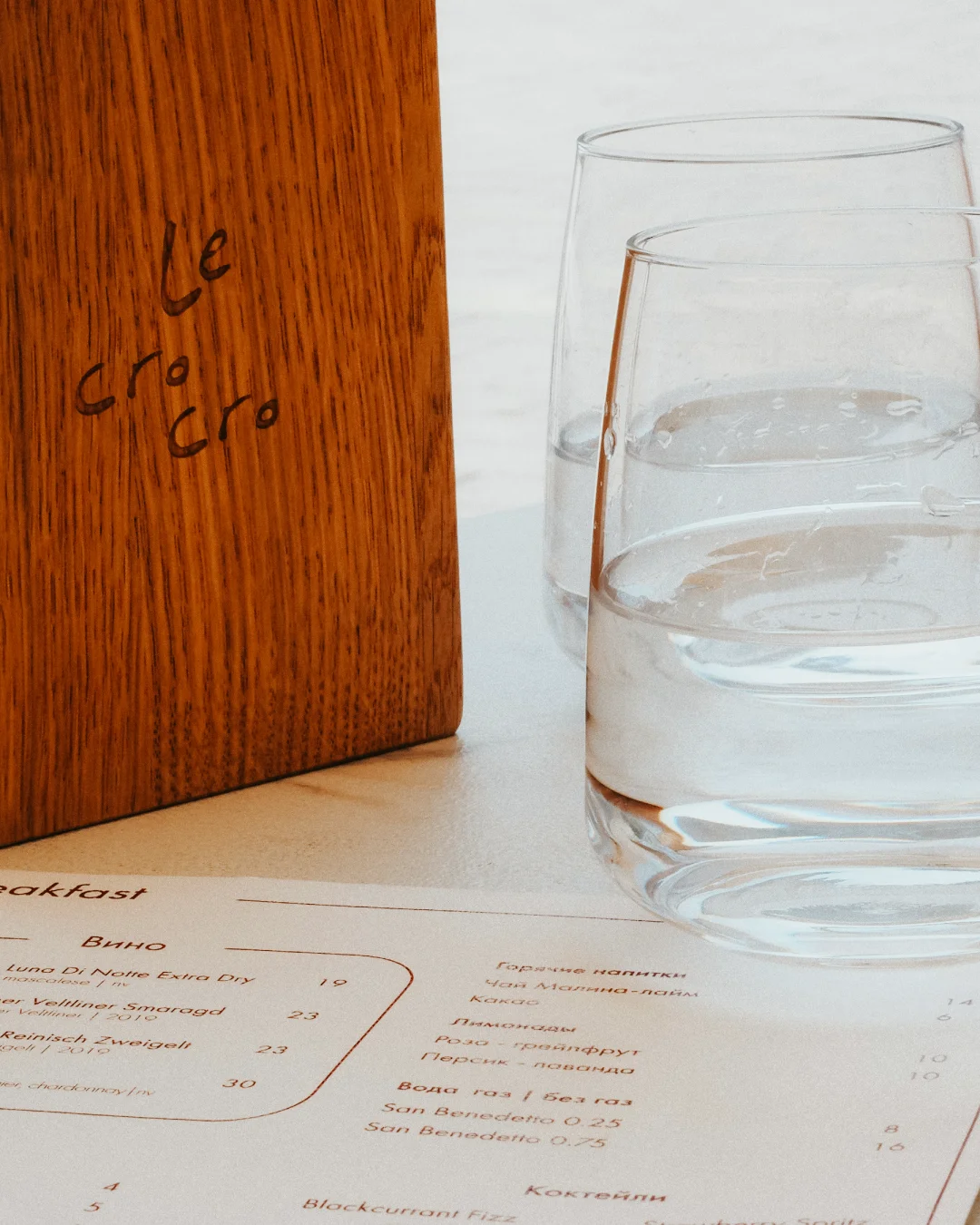
Menus are one of the clearest places where material choice, layout, and brand feeling meet.
Eco-friendly paper alternatives worth considering
Hemp Paper
Hemp paper is a natural fit for hospitality brands that want their materials to reflect a deeper sense of care.
It is fast-growing, lower impact than many conventional paper sources, and well aligned with brands shaped by nature, place, and conscious design. It also has a softness and texture that feels human in the hand. For boutique hotels, retreats, eco-stays, and travel brands, that matters. A luggage tag, welcome card, or printed insert can begin to carry the same values as the experience itself.
It works especially well for:
Business cards
Luggage tags
Swing tags for retail or in-room goods
Welcome cards
Small-format printed pieces where texture can do some of the storytelling
It feels grounded, tactile, and just irregular enough to be memorable.
Straw Paper
Straw paper has warmth to it. A faint cream tone, visible texture, a certain softness that suits brands tied to agriculture, landscape, and seasonality like farm hotels.
We love choosing straw paper for:
Restaurant launch postcards
Tasting menu inserts
Event announcements
Guest welcome booklets
Seasonal programming cards at retreats or eco-stays
For farm-to-table concepts, vineyard stays, prairie lodges, or rural destinations, it makes immediate sensory sense.
3. Cotton Paper
Cotton paper tends to feel more substantial. More ceremonial. It's a top sustainable paper choice, especially when made from recycled textile scraps.
This is the option for pieces that need a little gravity:
Opening-night invitations
Premium stationery
Thank-you notes
Gift cards
Wedding or event collateral for boutique venues
For the right brand, cotton paper says that the object is meant to be kept. A beautifully designed piece can become part of the guest experience itself, tucked into a suitcase and carried home as a reminder of the stay (just be ready to print more than once).
4. Bamboo Paper
Bamboo paper can sound like an obvious sustainable choice, but it is worth looking more closely.
Bamboo grows quickly, regenerates without replanting, and can thrive on less-than-ideal land, which makes it appealing as an alternative fibre. At the same time, turning bamboo into paper often requires heavy processing, and not every supplier handles that process with the same level of care.
The sustainability of bamboo paper depends on how the bamboo is grown, how it is pulped, what chemicals are used, and how transparent the manufacturer is about the full production chain.
Bamboo paper can still be useful for:
Greeting cards
Informational inserts
Lightweight menus
Branded note cards
So bamboo is best approached with a little discernment. Not every bamboo paper is a sustainability success story, which is why the wiser approach is to ask better questions before assuming it is the right fit.
5. Seed Paper
Seed paper is one of the few printed materials that can keep the experience going after a guest has gone home.
Made from recycled paper waste embedded with seeds, it can be planted in a pot or garden, where the paper breaks down and the seeds begin to grow.
Depending on the supplier, seed paper may contain wildflower mixes, herb seeds, or even vegetable seeds such as lettuce or carrot, though wildflowers are one of the most common options for branded pieces.
For hospitality and travel brands, that sense of continuation is part of the charm. A guest can tuck the card into their luggage, take it home, and plant it later as a small extension of the stay. To make that experience intuitive, the design should include simple planting instructions on the back or in a small footer.
For hospitality and travel brands, it could be especially effective for:
Thank-you cards
Farewell cards
Keepsake postcards
Small guest welcome cards
Event cards or launch mailers guests are likely to bring home
Used sparingly, so it feels memorable rather than gimmicky.
Bamboo is often positioned as a greener paper source, though it depends on how it is processed .
Paper certifications worth knowing
When you are sourcing printed materials for a hospitality brand, the details matter. A menu, a welcome card, a room compendium, an event invitation—these pieces may be small, but they still say something about how the brand operates behind the scenes. And when sustainability is part of the story, it helps to know what the paper is actually telling you.
These are a few certifications and terms worth watching for when you are choosing paper stock for a launch or refresh.
Forest Stewardship Council (FSC)
FSC is one of the most widely recognized markers of responsible forestry. If a paper carries the FSC label, it means the wood fibre came from forests managed with environmental and social responsibility in mind. For brands that still want the familiarity of tree-based paper, this is often one of the clearest places to begin.
Rainforest Alliance
The Rainforest Alliance certification reflects a broader view of sustainability, one that considers biodiversity, natural resource conservation, and the well-being of workers and communities. If you spot the small green frog, it signals that the paper was produced with environmental, social, and economic standards in view.
Ancient Forest Friendly
Ancient Forest Friendly is a designation from Canopy that signals a particularly thoughtful paper choice. These papers are free from ancient or endangered forest fibre, made from 100% recycled or agricultural fibre, and whitened without chlorine. For brands rooted in land, stewardship, and long-term care, this one carries real weight.
Green-E
Green-E certification points to how the paper was made, not just what it was made from. It indicates that the mill uses 100 per cent certified renewable energy, whether from wind, solar, biomass, or run-of-river power. For hospitality brands trying to look more closely at the full chain behind their materials, that distinction matters.
Processed Chlorine Free (PCF)
Processed Chlorine Free, or PCF, applies most often to recycled papers. It means no chlorine or chlorine derivatives were used during the recycling process. It is a quieter designation, but a useful one, especially if you are comparing recycled stocks and want to understand how clean the process really was.
BioGas
BioGas certification refers to paper made using energy captured from decomposing landfill waste. Rather than letting those gases escape into the atmosphere, they are redirected into the production process. It is a closed-loop approach, and one that appeals to brands trying to reduce waste in more practical, behind-the-scenes ways.
Zero Waste Certified
Zero Waste Certified is one of the more ambitious markers on the list. It indicates that the full lifecycle of the paper, from sourcing and milling through transportation, production, and recycling, was designed to avoid greenhouse gas emissions at each step. For brands that want their printed materials to reflect a deeper environmental commitment, this is one to pay attention to.
You do not need every certification on every project. But knowing what these labels mean makes it easier to choose materials that feel aligned with the kind of guest experience you are trying to build.
Eco-Friendly printers worth exploring
Once you have chosen a more thoughtful paper stock, the next question is where to print it. The right printer helps carry the feeling of the brand into the physical world, whether that means a welcome card, a keepsake postcard, or packaging that feels considered from the start.
A strong option for high-quality print and a wide range of sustainable paper stocks, including hemp, bamboo, and recycled options. Well suited to business cards, postcards, inserts, and launch materials.
A Winnipeg-based source for plantable seed paper. Ideal for keepsake cards, thank-you notes, event mailers, and other printed pieces guests may take home.
Another strong seed paper option, especially for U.S.-based projects. A good fit for farewell cards, launch invitations, and small printed pieces designed to linger.
A well-known North American printer with a strong sustainability focus and broader capabilities for larger or more complex print systems.
Before you print, remember: The best printer depends on the piece, the quantity, the shipping region, and the kind of experience your brand is trying to create. The goal is not to make every printed item special. It is to make the right ones feel intentional.
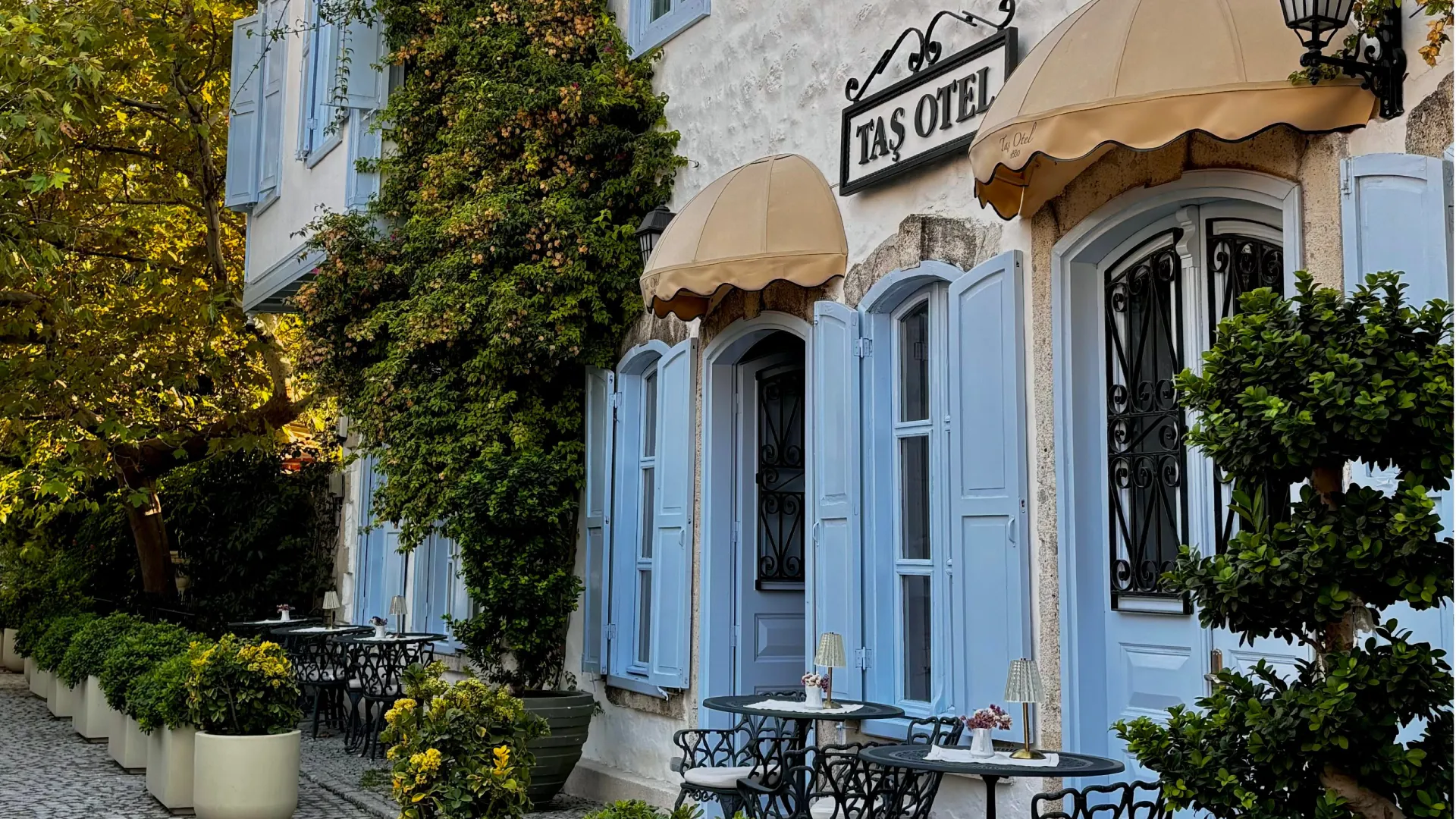
The hotel states that it exclusively uses FSC-certificated paper products. That is a modest decision on paper, but an important one in practice. It shows how sustainability can extend into the quieter operational and guest-facing details, not just the headline gestures.
For hospitality brands, that is often where credibility lives.
Not in saying the right thing once, but in making a hundred small choices that say the same thing again.
And if your brand is pursuing recognized sustainability frameworks more broadly, Green Globe’s standard is designed specifically for the travel and tourism industry, which makes it a useful benchmark for the wider operational picture around sustainable hospitality.
Print less, print better
The best sustainable print strategy is not necessarily the one with the most unusual paper stock. It is the one with the clearest intent.
Print the pieces that deepen the guest experience.
Choose materials that feel aligned with your place, your values, and the lifespan of the item. Avoid coatings and excess where you can (these can’t be recycled). Ask your printer better questions. Let the tactile layer support the story instead of competing with it.
That is often the difference between brand collateral and atmosphere.
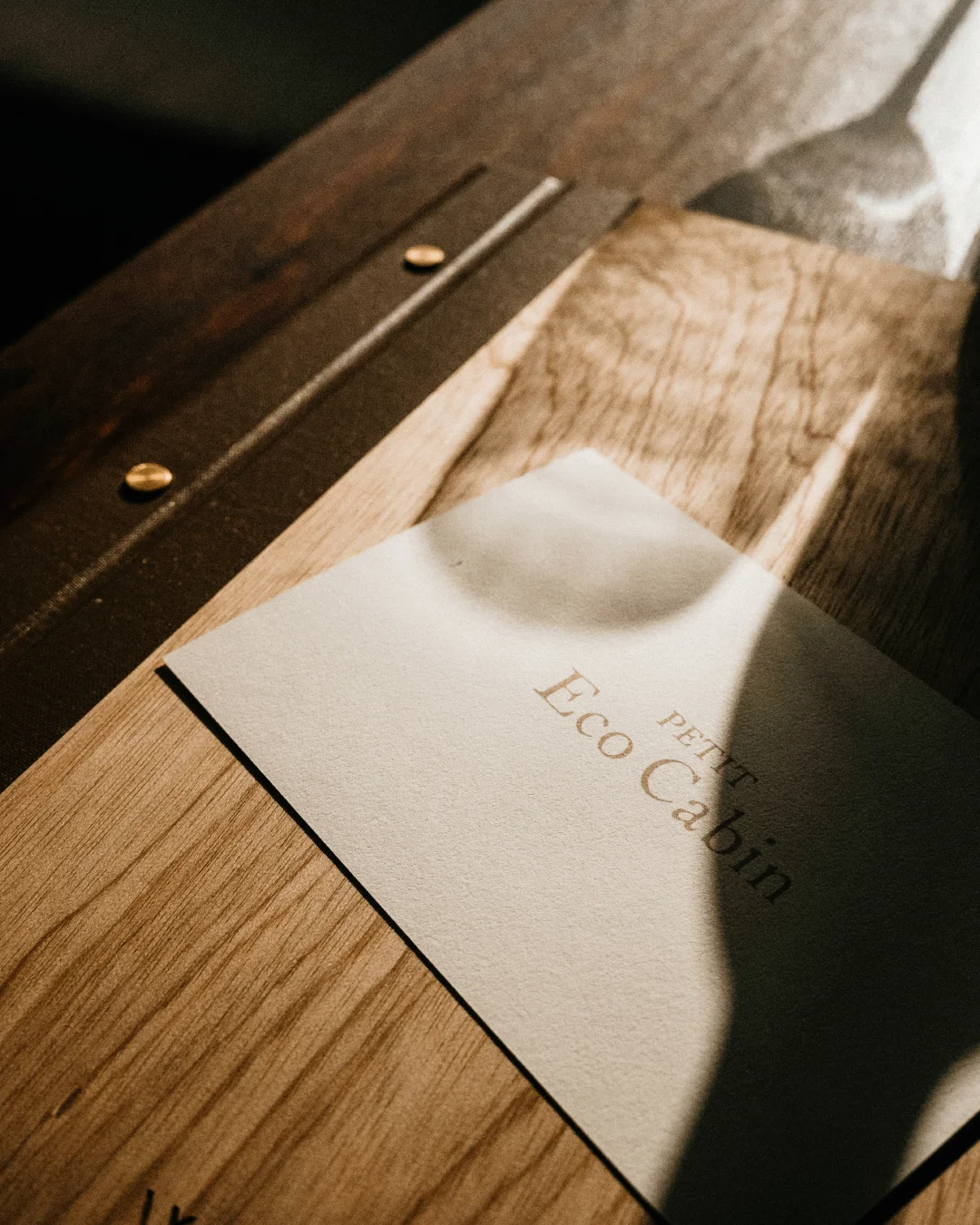
A well-designed printed card can feel quiet, grounded, and memorable without needing much at all.
Planning a brand launch with more intention?
A thoughtful launch should feel cohesive from the first digital impression to the last tactile detail.
If you are building a boutique hotel, retreat, restaurant, or travel brand and want the printed materials to feel as considered as the experience itself, Little Ghost can help shape a launch that is grounded in story, aligned with your values, and designed to be remembered.
Book a call and let’s talk about what your brand should feel like in someone’s hands.
Join our mailing list. A short note when we have something worth sharing on brand strategy, identity thinking, and field reflections from the places shaping our work.
Thank you! Your submission has been received!
Oops! Something went wrong while submitting the form.