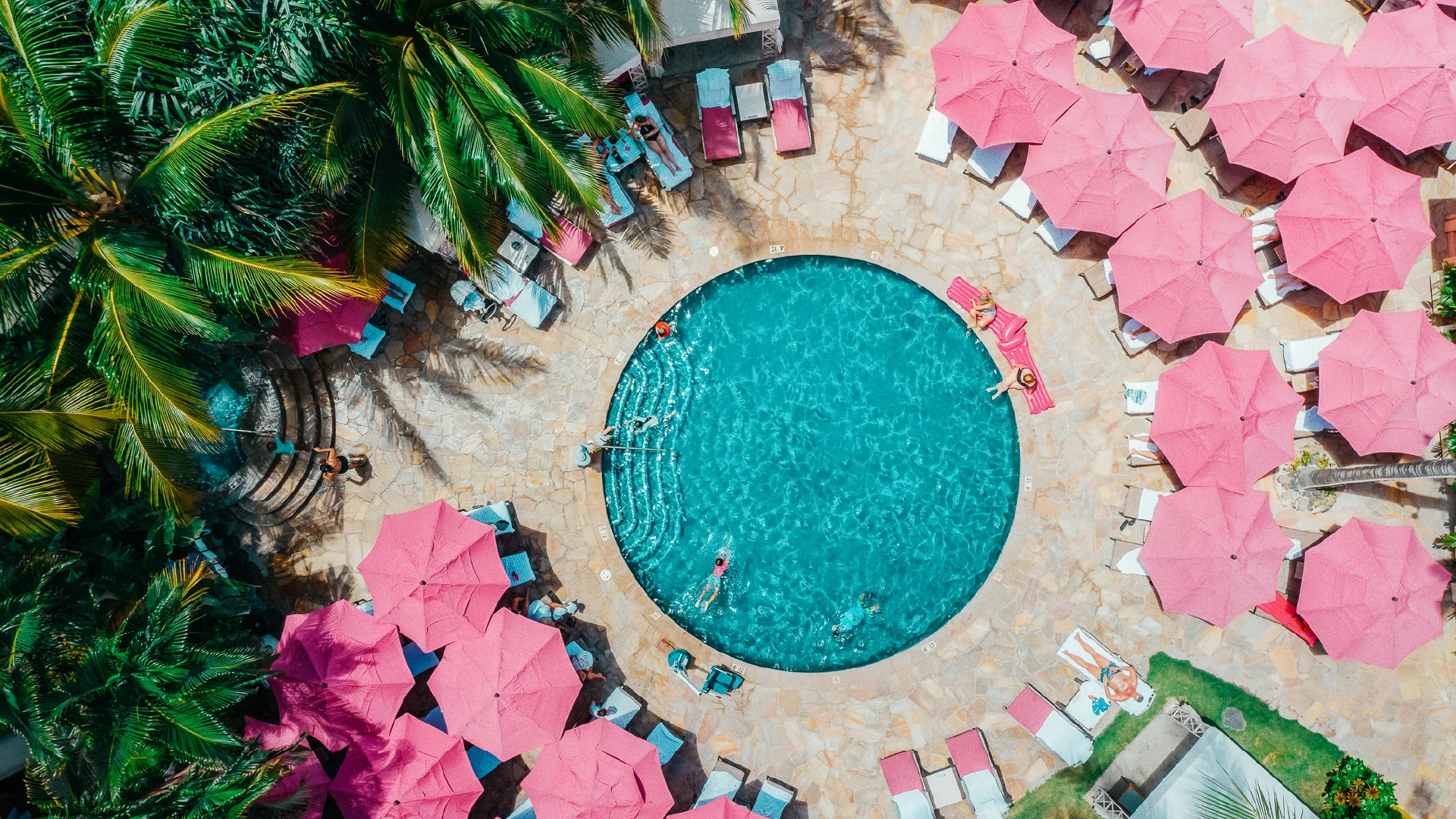
A recent visit to the Royal Hawaiian in Honolulu got me thinking about the true cost of hotel branding.
The brand was everywhere. In the hush of the grounds against the rush of Waikiki. In the softness of the pink that somehow never tipped into novelty. In the sense that this hotel knew exactly what it was, and had built an entire world around that knowing.
What stayed with me most was how the brand came through in moments that had nothing to do with the mark on the website. It was in the smell of freshly baked banana bread (which the hotel treats as part of the arrival ritual). In the pink pancakes at breakfast. In the historic details, the beachfront dining, the warmth of the service, and the feeling that the experience had been considered from many angles, not just designed from one. The whole stay felt cohesive, calm, and unmistakably its own.
That is what strong hotel branding does at its best. It moves beyond recognition and into atmosphere. It shapes expectation before arrival, then quietly confirms it again and again through scent, service, materials, rituals, food, language, and pace.
And it reminded me that when hotel owners ask what branding costs, they are often asking the wrong question. The better question is: what does it take to build a brand that guests can actually feel?
Why invest in hotel branding this year
The landscape has shifted. We are no longer competing on amenities alone. We are competing on identity, on story, on the promise of a feeling before the traveller ever arrives.
Vibe over ZIP code: The modern traveller does not search by coordinates. They search by experience.
Breaking the grid: The OTA listings flatten distinctive hotels into a generic grid of thumbnails. A strong brand is the only force capable of standing out in that sea of sameness.
Commanding value: Cohesive brands raise the perceived value. They allow you to command a higher ADR without the indignity of constant discounting.
Independence: To operate without a flag is to operate without a safety net. A robust brand system is the only way to compete without the heavy burden of franchise fees.
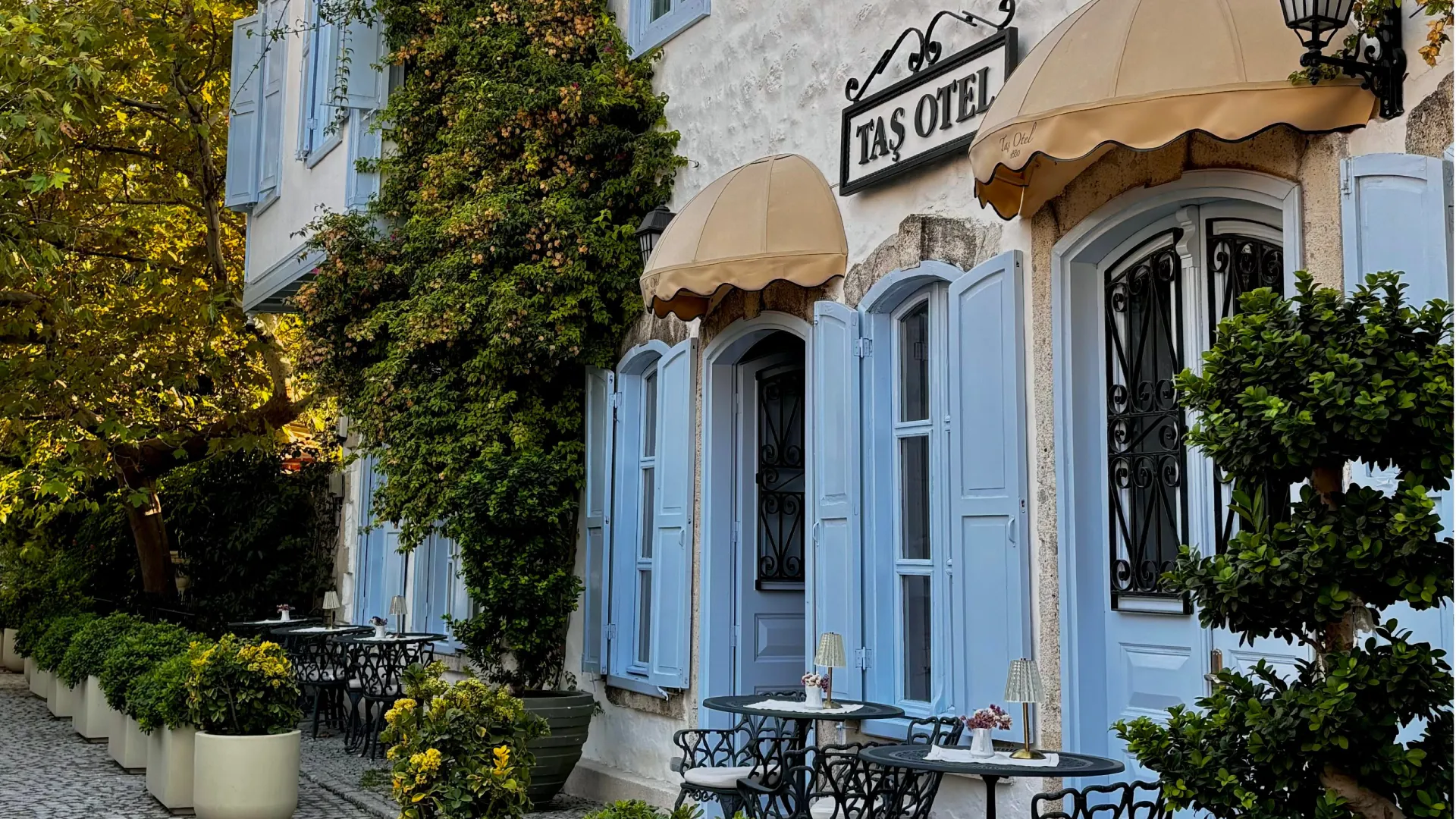
A well-branded hotel makes even everyday guest moments feel unmistakably its own.
What does it cost to brand a hotel
The investment is variable. It depends on the size of the property, the depth of the narrative, and whether you operate independently.
But you are not simply buying a logo. You are buying a world. At the Royal Hawaiian, that world is carried through architecture, food, ritual, colour, service, and even scent. The identity doesn't stop at the sign out front. It continues into the breakfast experience, the bakery, the room details, the cultural programming, and the pace of the stay itself.
A comprehensive hotel brand includes:
Naming: Does the hotel need a new name to signal its new era?
Strategy: Defining the guest persona and the core emotions of the stay.
Messaging: The voice, the story, the tagline that grounds the communication.
Visual Identity: The logo variations required for signage, digital platforms, and the physical space.
Digital Presence: A website that is not merely a template, but a custom integration of story and commerce.
The Tactile: Room keys, menus, uniforms. The assets that carry the feeling of the brand into the room.
For hotels, some of the strongest brand signals are often the least flashy: the robe, the room key, the menu stock, the wayfinding, the welcome ritual, the music, the smell in the lobby, the breakfast everyone remembers.
A strong hotel brand does not compete with the setting. It deepens it.
How your choice of partner affects the cost
Who you choose to guide you through this process will dictate the cost, and the soul, of the final result.
Option 1: Traditional Agency
These are the heavy hitters. They offer full-service execution, a massive infrastructure, and a safety net for large or luxury hotels entering new markets. However, you are paying for the overhead—the boardrooms, the middle management. The risk is that the work becomes "safe" rather than soulful.
Typical Investment: $80,000–$250,000+
Option 2: Fluid Agency (like Little Ghost)
This is the sweet spot. More strategic than a freelancer, yet more intimate than a big agency. We specialize in places where the story is central—boutique hotels and retreats. We do not carry heavy overhead; the budget goes directly into the talent, building a team around the specific vision. It is deep strategy and high-level execution, but the process remains grounded.
Typical Investment: $15,000–$80,000+
Option 3: Boutique Studio
These studios often produce visually stunning work. If you find a studio whose style mirrors your vision, the results can be incredible. However, they often lack deep hospitality strategy; they can make it look beautiful, but they may not understand how the brand impacts RevPAR or guest flow.
Typical Investment: $15,000–$80,000+
Option 4: Freelancers
Useful for the one-off item or the very early-stage property. But relying on a freelancer for a full launch carries a risk: a lack of system thinking. Without a strategic foundation, the guest experience can feel fragmented as you grow.
Typical Investment: $1,000–$15,000+
The best hotel brands create an atmosphere people want to stay inside longer.
What changes the price of hotel branding
Beyond the partner, the contours of the property shape the cost.
1. Size and complexity
It is a simple truth: more rooms equal more assets. A 100-room hotel requires significantly more signage, more uniform variations, and more touchpoints than a 5-room eco-stay.
2. Marketing objectives
If the goal is to reduce reliance on OTAs, the brand strategy must be robust enough to convert guests instantly. Launching new amenities—a spa, a restaurant—adds layers to the scope.
3. Future growth plans
If you plan to expand, to add villas, to create sub-brands, the upfront system must be built to hold that weight.
It is also a calculation of independence. Franchise flags charge substantial fees—percentages of revenue, marketing contributions. As an independent hotel, you avoid these fees, but you must reallocate that budget to build a brand that makes you easier to choose.
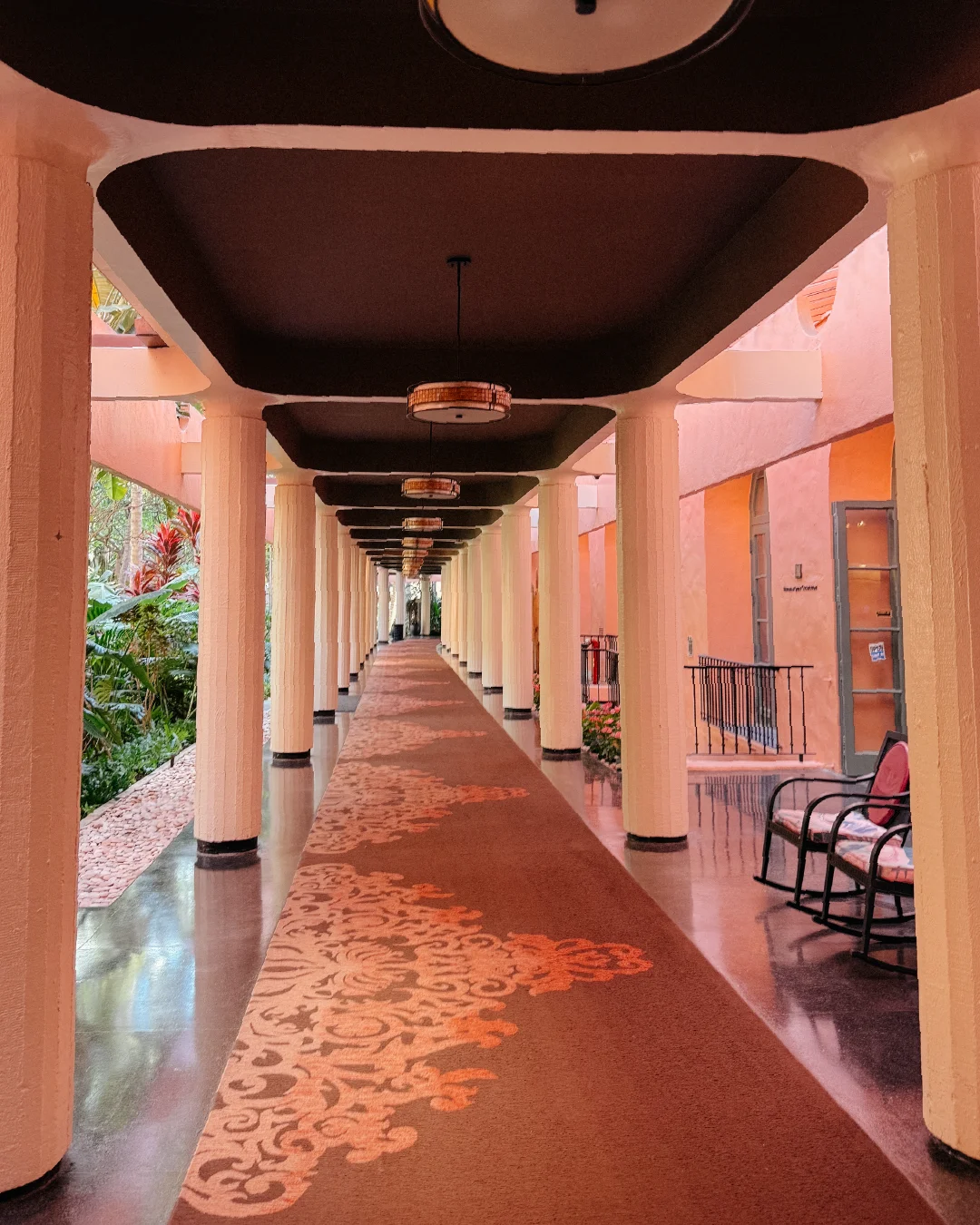
Good branding turns transitions and walkways into part of the guest experience.
What's included in a hotel branding package
To visualize the scope, we categorize needs by the depth of the experience.
You require deeper systems to communicate a "vibe" to travellers who care about place.
The best boutique properties understand that people do not just book a room. They book a feeling. That is why the strongest hotel brands are built across many touchpoints, not just visual ones.
Focus: Storytelling rooted in place, a messaging ecosystem.
Applications: Guest experience alignment, custom website, OTA assets.
Category 3: Larger hotels with multiple outlets
You need full systems to remain cohesive across distinct experiences.
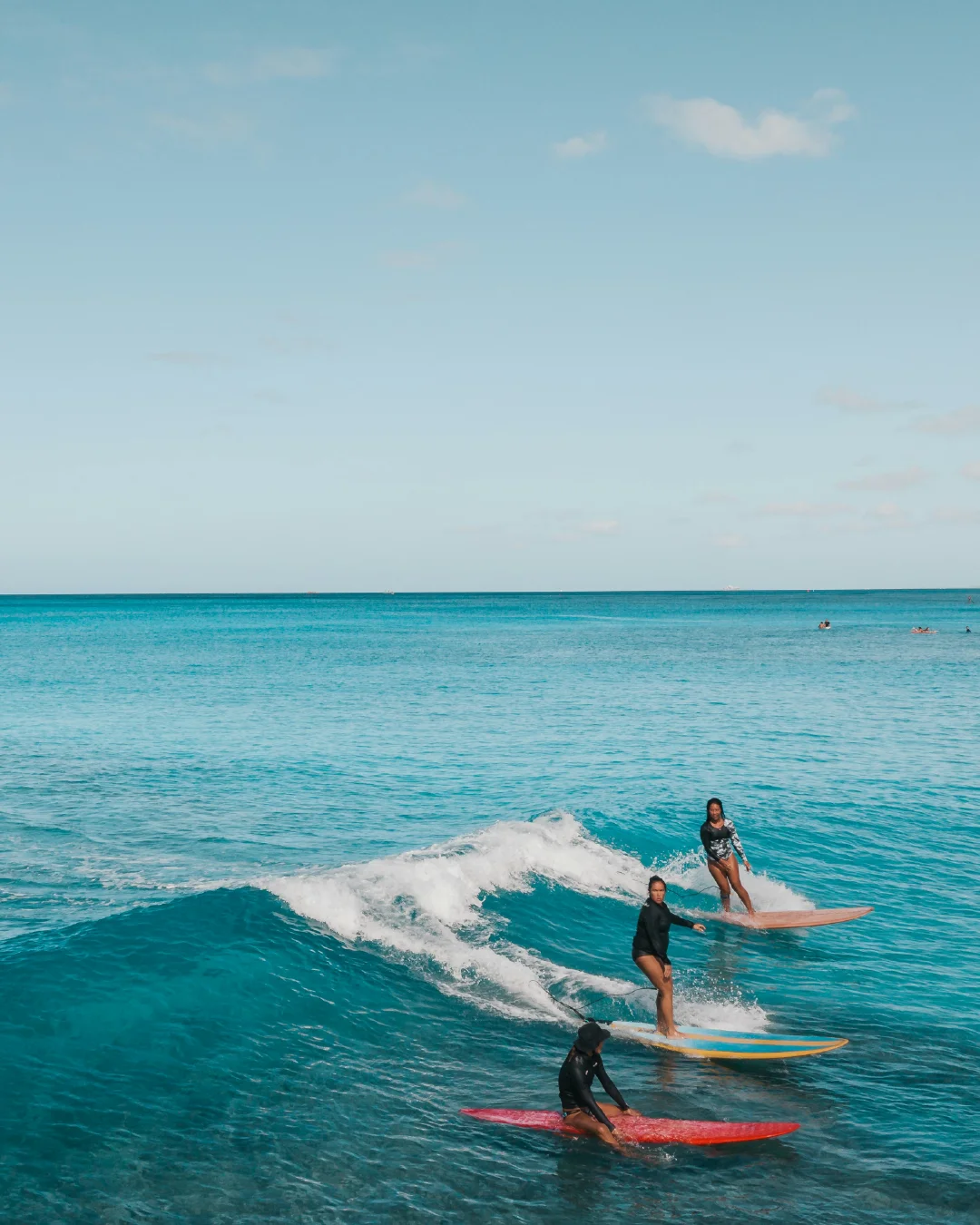
The strongest hospitality brands reflect the rhythm and culture of their surroundings.
How to set a branding budget for your hotel
Setting a budget is an exercise in aligning revenue targets with reality.
Track the ROI: You can see the return through ADR increases and direct booking lift.
Reduce Commission: A stronger brand shifts guests to direct channels, reducing the 15-25% OTA commissions.
Industry Benchmarks: Growth-focused operators often plan marketing budgets in the high single digits to low teens (8-12%) as a percentage of revenue during launch or repositioning.
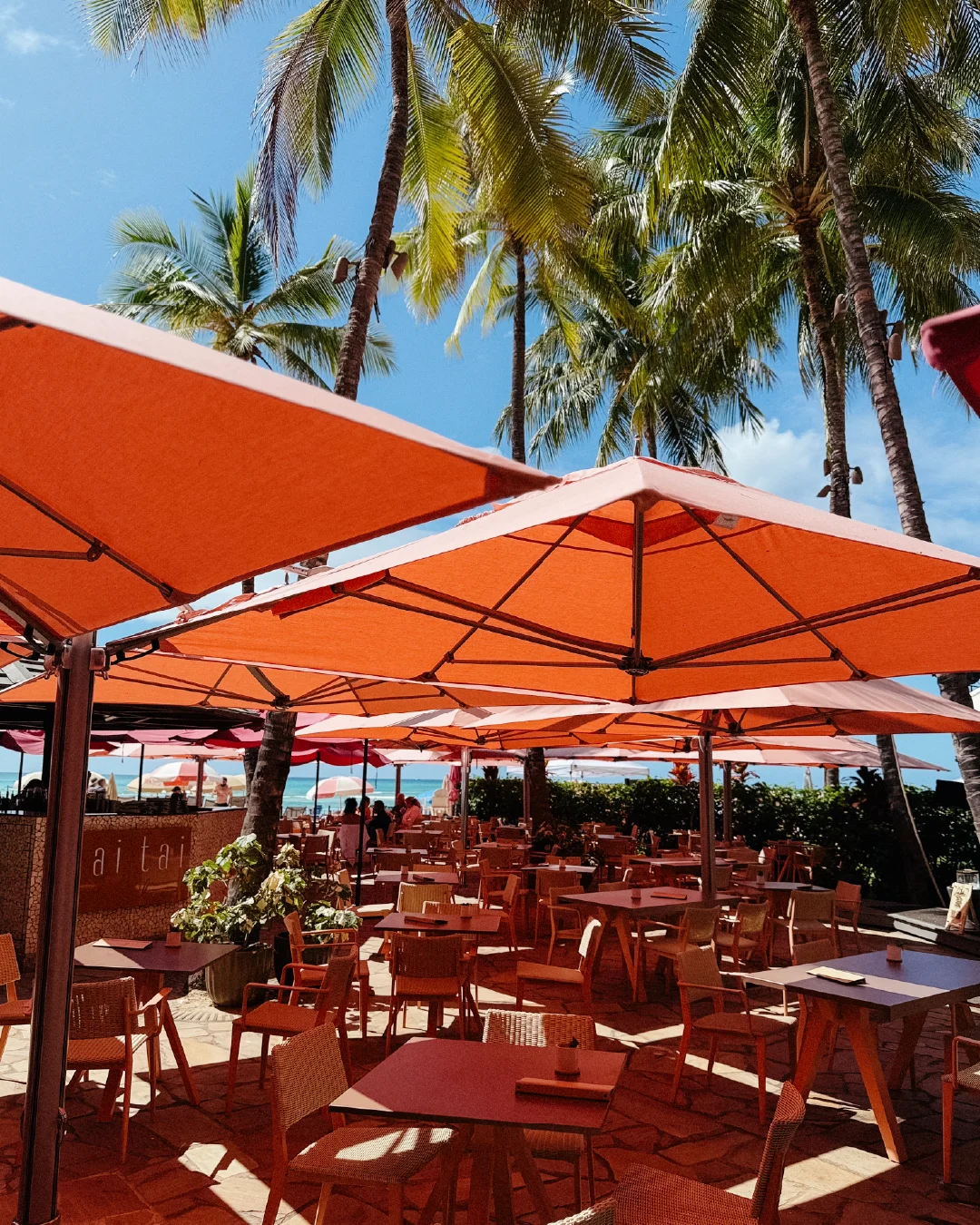
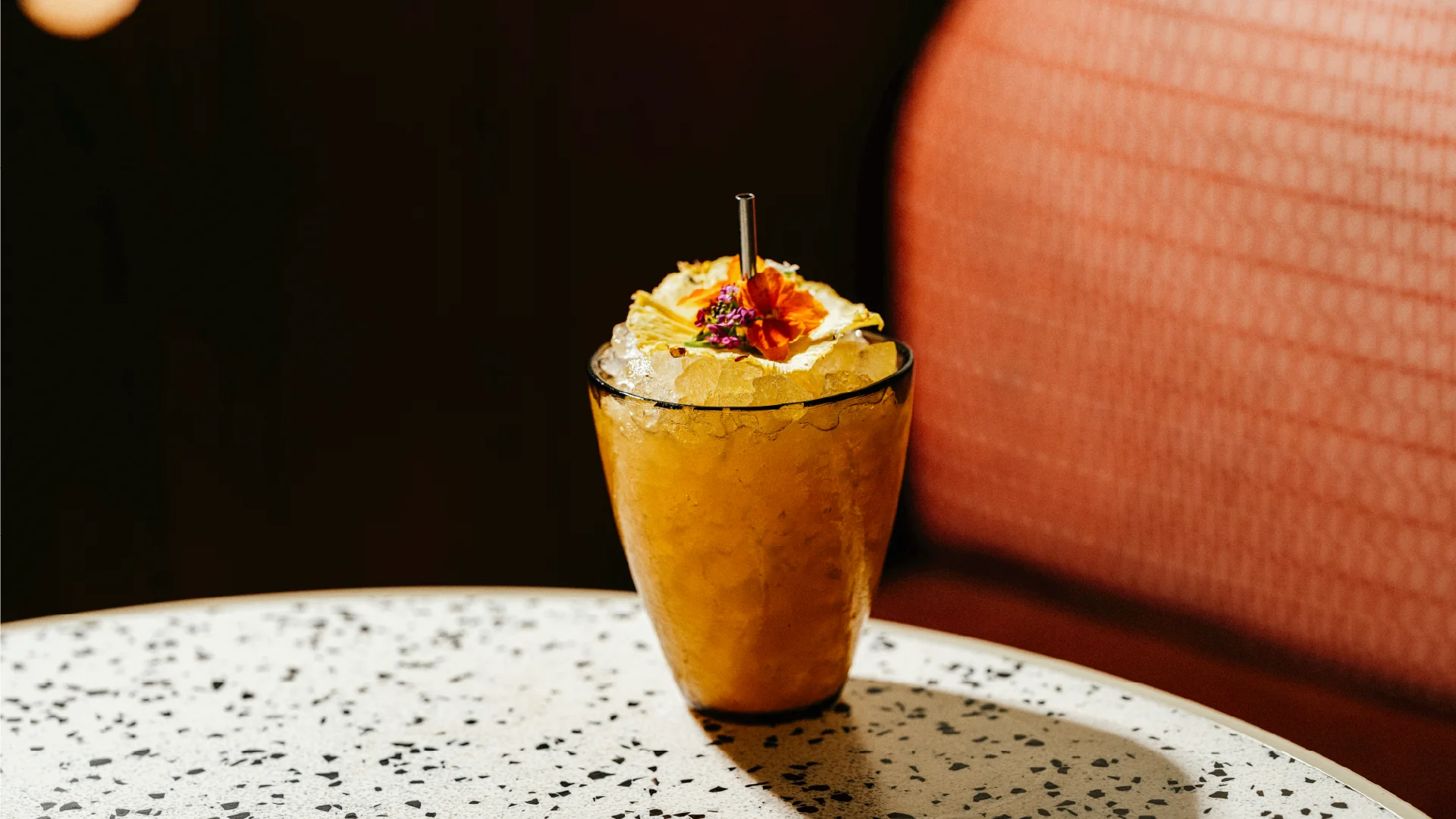
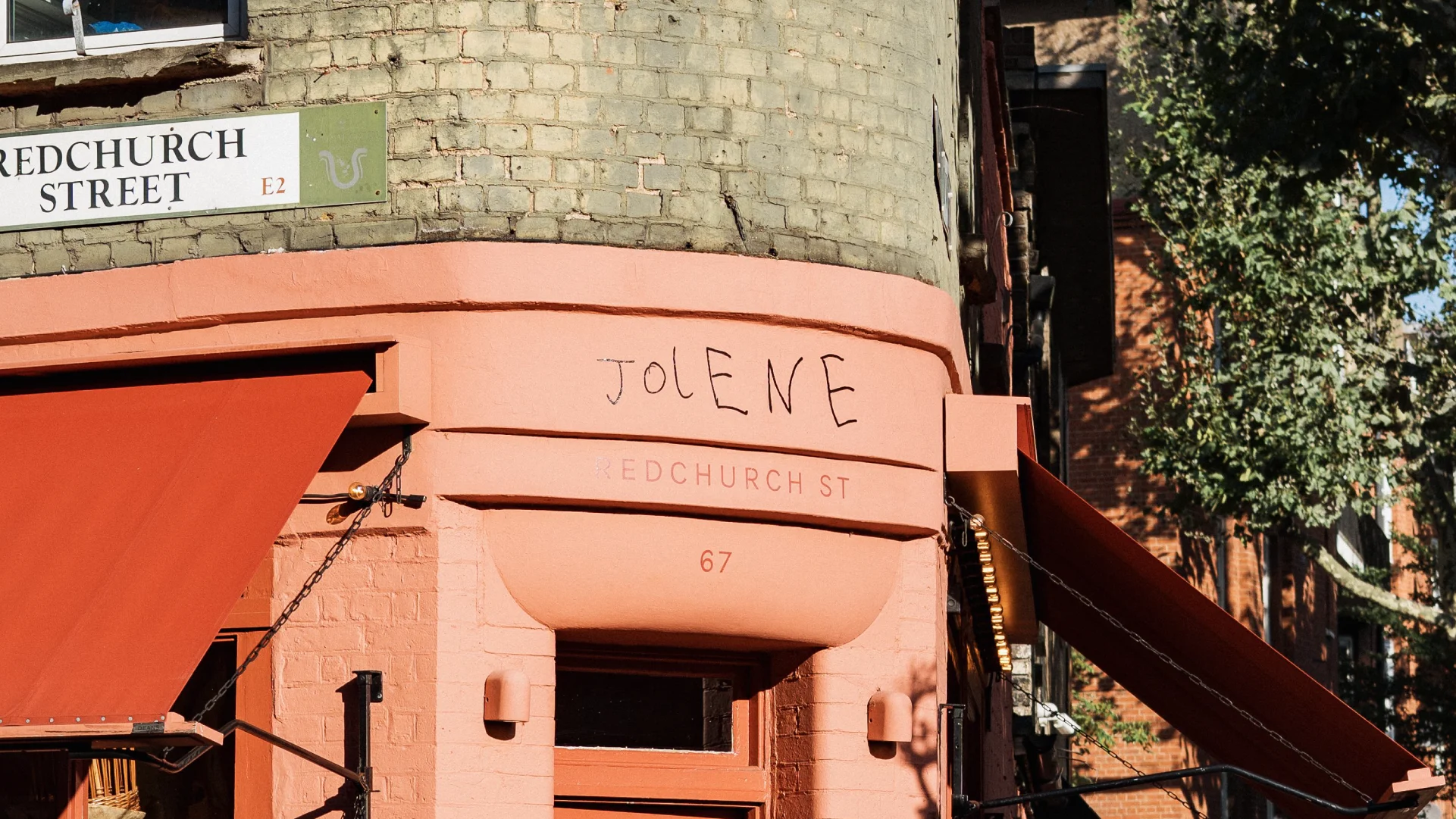
Branding lives in the smallest moments, right down to what lands on the table.
How Little Ghost compares
We believe brands have souls. We search for what others overlook: the intangible essence of a place.
We do not just design logos; we practice place-based storytelling. Our systems thinking ensures that the brand lives in every touchpoint, creating a warm, sensory aesthetic. We help you capture the feeling of the space so that your guests begin their stay the moment they find you online.
Some of the most memorable hotel brands are not memorable because they are the trendiest. They are memorable because everything agrees. The story, the visuals, the website, the food, the guest experience, the physical details. Nothing feels accidental.
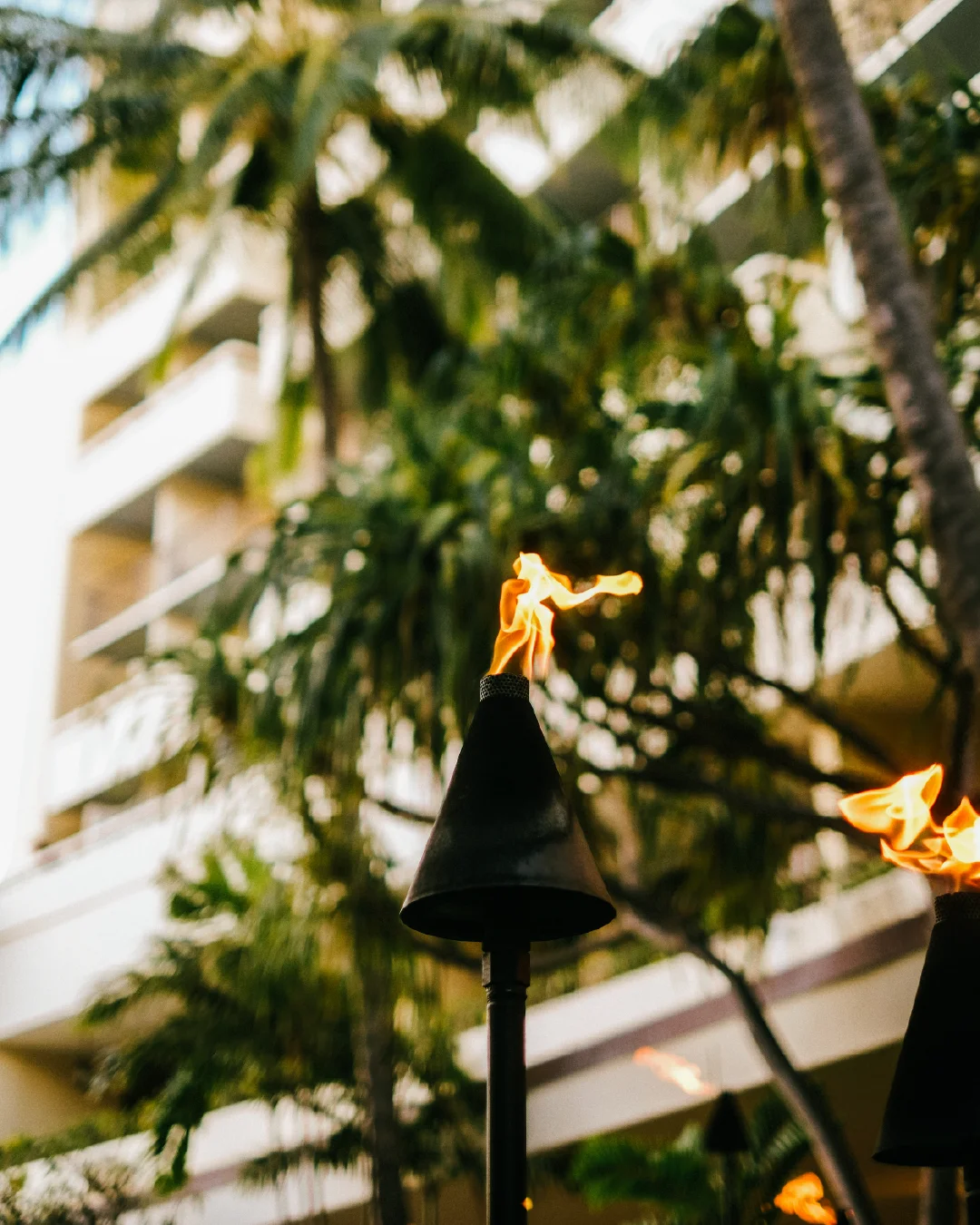
Mood is part of the brand system too.
FAQs
How much should hotel branding cost?
Costs vary, but typically range from $8,000 to over $150,000 depending on the size of the hotel and the depth of the strategy. For most boutique properties, a comprehensive fluid agency partner will fall in the $15,000–$80,000 range.
What is the cost of marketing a hotel?
Successful boutique hotels often allocate a percentage of their projected revenue to marketing. While some spend under 2.5%, growth-focused plans can be substantially higher (8-12%) during launch or repositioning.
How does hotel branding work?
It begins by uncovering the "soul" of the place—its story and values—and translating that into a visual and verbal system that guides every guest interaction.
What are branding costs?
These are the investments made into research, strategy, identity design, voice development, and the creation of the physical and digital assets like signage and websites.
Are you ready to build a brand that reflects the experience you've worked so hard to create?
Book a Clarity Call to understand where your hotel's brand is holding you back.
Join our mailing list. A short note when we have something worth sharing on brand strategy, identity thinking, and field reflections from the places shaping our work.
Thank you! Your submission has been received!
Oops! Something went wrong while submitting the form.