What is Place Branding and Why it Matters in Hospitality
There is a specific kind of illusion we buy into when we travel. It is a desire to step into a narrative that has already been written for us. Branding in tourism is not about standing out, it is about feeling understood.
People do not choose destinations the way they used to. They choose based on how a place feels before they ever even book.
This article explains place branding through a hospitality lens and shows how strong brands turn locations into experiences people feel, remember, and return to. It connects strategy to real outcomes like better guests, stronger positioning, and higher-value bookings. We will examine how branding shapes decision-making in tourism, what strong tourism brands do differently, where most brands fall short, and how to rethink your approach.
Not sure if your brand reflects the place you’ve built? Book a free 15-minute Clarity Call with a brand strategist and get an outside perspective on what may be misaligned, missing, or getting lost in translation.
How people choose where to go
Travel decisions are emotional first, rational second.
The practical questions come later:
Can I afford it?
Is it close to the airport?
Does it have parking?
But first there is the feeling. The earlier, quieter question is the most important: What kind of place is this, and what kind of person would go there?
Guests are not only choosing where to sleep or eat or spend a weekend. They are choosing a mood. A story. A version of themselves inside a setting that feels coherent enough to trust.
That first impression forms long before booking.
Photos create expectation. Language shapes feeling. Reviews reinforce identity. A place that is spoken about as warm, slow, generous, intimate, and rooted begins to live that way in the mind. A place that looks polished but says nothing in particular begins to blur into the others. The guest may never say this outright, but they feel it subconsciously.
This is why hospitality branding carries such weight. People are not just comparing options. They are reading signals. They are deciding whether the promise feels believable.
Guests often choose places that reflect how they want to feel and how they want to be seen. Atmosphere becomes part of identity.
What branding in tourism really does
Tourism branding shapes how a place lives in someone’s mind.
Not just how it looks. Not just how it markets itself in high season. Not the logo and not the campaign that runs for six weeks and disappears.
Branding in tourism connects story, expectation, and experience. It gives a place a human-like identity before the guest arrives. It tells them what kind of atmosphere they are stepping into, what kind of stay this might be, what kind of memory may come of it. It also reflects something about the guest: not only how they want to feel, but how they want to be understood by others through the places they choose.
This is the central distinction in destination marketing vs destination branding. Marketing draws attention. Branding gives that attention somewhere to land. Marketing can create visibility, but branding creates meaning. One may get the click. The other explains why the click mattered.
A strong place brand does not rely on volume. It relies on clarity. It knows what it is. It knows who it is for. It does not try to resemble every other hotel, every other restaurant, every other destination hoping to appear desirable. It becomes more itself. That is usually what works.
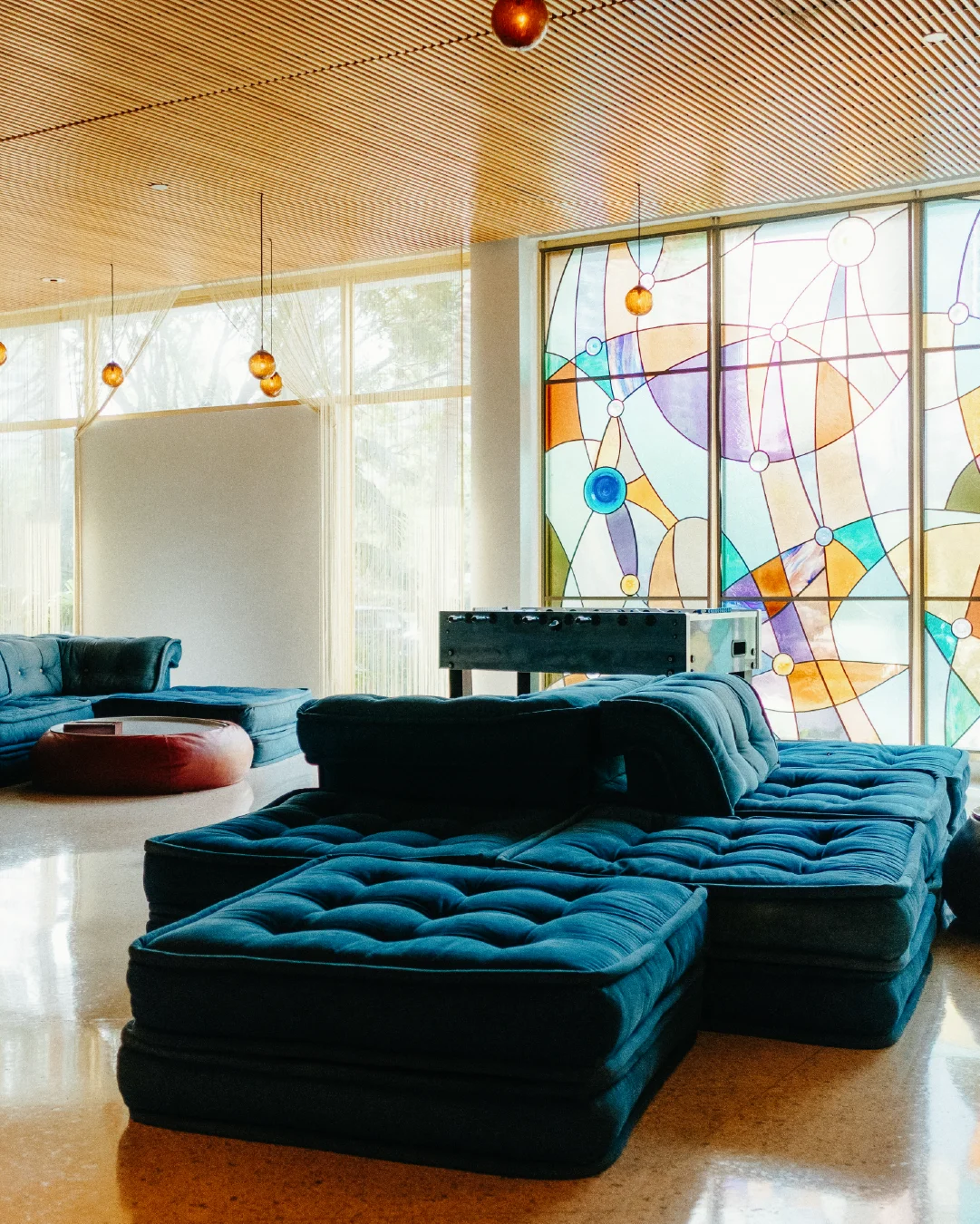
When a room carries history, personality, and atmosphere so clearly, the brand begins to feel inseparable from the stay itself.
The gap between experience and perception
There is often a gap, there always is. This is the problem.
The experience itself may be memorable, carefully considered, full of texture and care, but the brand feels thin. Generic. Interchangeable. The hotel may be beautiful, but the positioning is unclear. The service may be warm and exacting, but the language surrounding it is vague. The business may have a strong internal culture, but no outward story to hold it together.
So the online presence flattens what is actually there.
A guest walks through the space and feels something the website never managed to say. A property has history, rhythm, and character, but the visuals feel borrowed. A destination has emotional depth, but the messaging sounds like it was written for someplace else.
This happens often. More often than people admit.
The biggest mistake hospitality brands make with place branding is trying to decorate the surface before they define the substance.
What looks, at first, like a weak brand is often something else. It is an unfinished one. The experience has evolved. The brand has not kept pace. That kind of misalignment shows up everywhere: in mixed audiences, in hesitant pricing, in marketing that works too hard for too little return.
Sometimes the issue is not that the business needs more promotion. It needs a truer language.
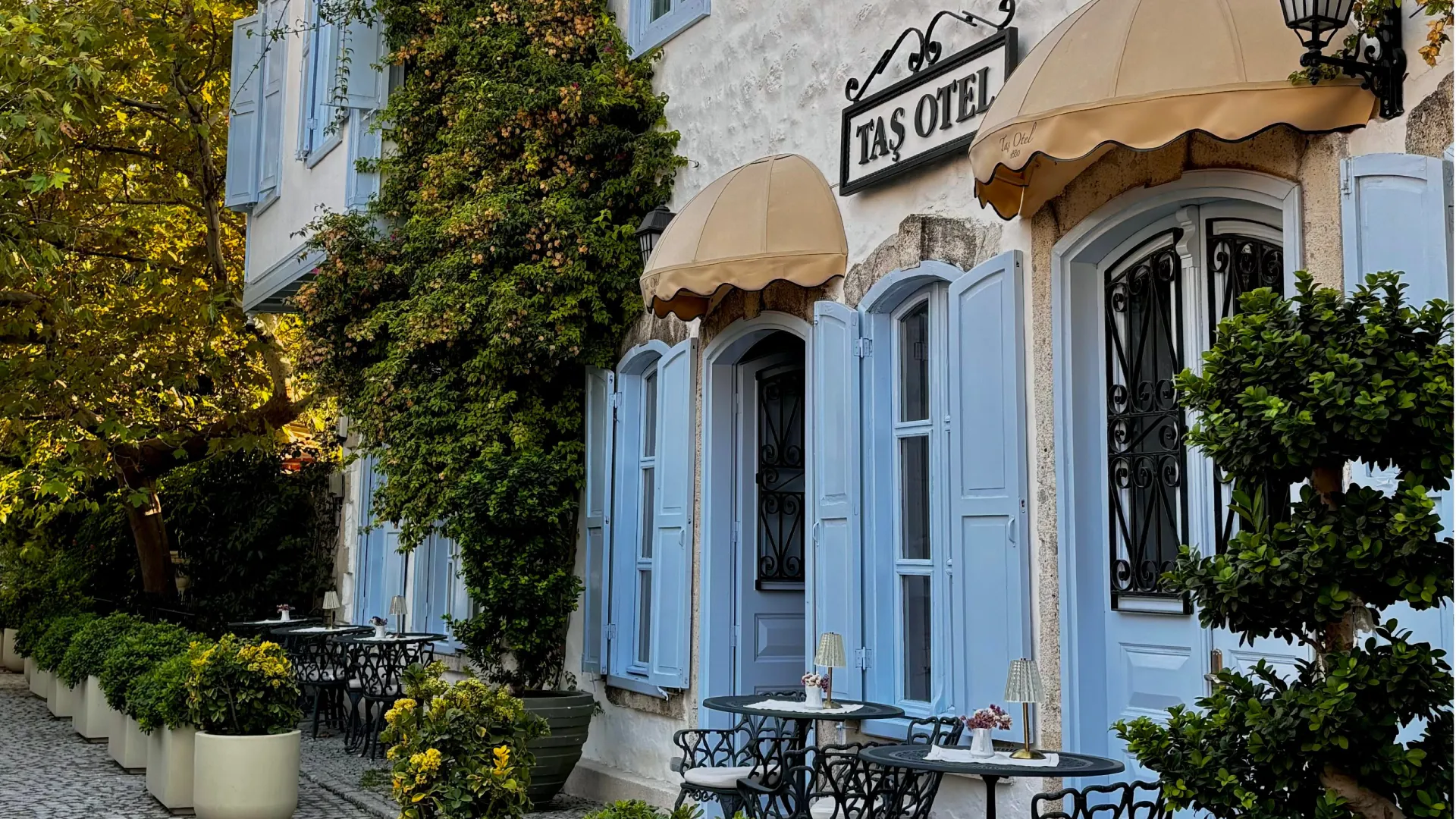
The promise of a stay is often bound up in the view, the ritual, and the sense of place beyond the room. Branding helps frame that promise before arrival.
What strong tourism brands do differently
They are clear about who they are for
Not everyone is their audience. This is usually the first useful thing a brand can admit.
Strong tourism positioning narrows the frame. It understands that clarity is more persuasive than breadth. A design-led retreat should not sound like a family resort. A food-driven inn should not borrow the language of luxury if what it actually offers is intimacy, locality, and care. The guest should be able to sense, almost immediately, whether they belong there.
This is not exclusion for its own sake. It is recognition. The right people feel seen faster.
They build from place, not trends
The strongest examples of destination branding are rooted in something local, lived, and specific.
Not in trend forecasts. Not in a borrowed aesthetic from a city with a different climate, a different history, a different pace. They build from architecture, landscape, memory, culture, weather, ritual, material, and rhythm. From what the place actually is.
This is where so much travel brand strategy either becomes credible or falls apart.
When a brand is built around place and experience, it carries authority. It feels anchored. It has a centre of gravity.
This is part of what made projects like Clear Lake Country resonate so strongly: the brand did not sit on top of the place like a decal. It was shaped by the textures, movement, and character already there.
Seen in Practice: Locke de Santa Joana, Lisbon Set in a former 17th-century convent, Locke de Santa Joana builds its identity from the site’s history rather than trying to flatten it into a generic luxury or lifestyle aesthetic. Preserved tiles, frescoes, and architectural details help carry the story forward, while the overall brand positions the hotel as a meeting point between old and new. It is a good example of place branding that begins with what is already there, then shapes a guest experience around it.
Editor’s Note: Little Ghost founder Robyn stayed at Locke de Santa Joana and can personally speak to the way the property preserves its history and sense of place, carrying that story through the guest experience.
They create a consistent feeling
A strong brand experience in hospitality feels coherent across the entire guest journey.
The website and the welcome email belong to the same world. The photography and the signage are telling the same story. The tone of the service does not jar against the language on the homepage. The experience begins before arrival and continues after departure.
Consistency, here, does not mean monotony. It means that the parts know each other.
This is often where a thoughtful Brand Identity System becomes essential. Not because every touchpoint must look identical, but because they should feel related. A brand earns trust when it stops contradicting itself.
They make decisions easier
Clear branding removes friction.
People understand what they are paying for. They understand what kind of stay, meal, or atmosphere is being offered. They are not forced to decode the business from scraps. The decision becomes easier because the story is intact.
This is what strong hospitality branding does. It does not confuse attention with understanding. It makes the right choice easier to make.
When interiors carry a clear point of view, the brand begins to feel coherent.
The building blocks of branding in tourism
The work is systemic. It has to be.
There is identity: positioning, story, values. The internal truth. The spine of the thing.
There is expression: visual identity, voice, photography. The external language. The part people see first.
There is experience: the guest journey, the service, the environment itself. The proof.
And there is connection: community, partnerships, cultural relevance, local credibility. The wider world the brand belongs to.
A tourism brand works when these things move together.
This is why place branding cannot be reduced to a logo or a campaign. It is a network of decisions. It is the accumulated effect of a hundred small consistencies. The right story, expressed clearly, carried through the real-world experience without distortion.
This is also why many hospitality businesses begin with Brand Strategy & Positioning. Before the visuals can carry meaning, the meaning has to exist.
Place branding is not only visual. It shapes expectation around mood, pace, and how a stay is meant to feel in the body.
Where tourism branding breaks down
Tourism branding tends to break down in familiar ways.
It is built around trends instead of truth. It looks borrowed. It becomes inconsistent across platforms. The Instagram feels one way, the website another, the in-person experience something else entirely. It focuses on attracting attention, but not on retaining memory. It asks the guest to do too much interpretive work.
Sometimes the brand was created in a hurry, during launch, and never revisited. Sometimes the business changed ownership, changed direction, expanded, matured, deepened. The brand stayed where it was. In either case, the result is the same: a business that no longer sounds like itself.
Most brands are not weak. They are just unfinished or unrefined.
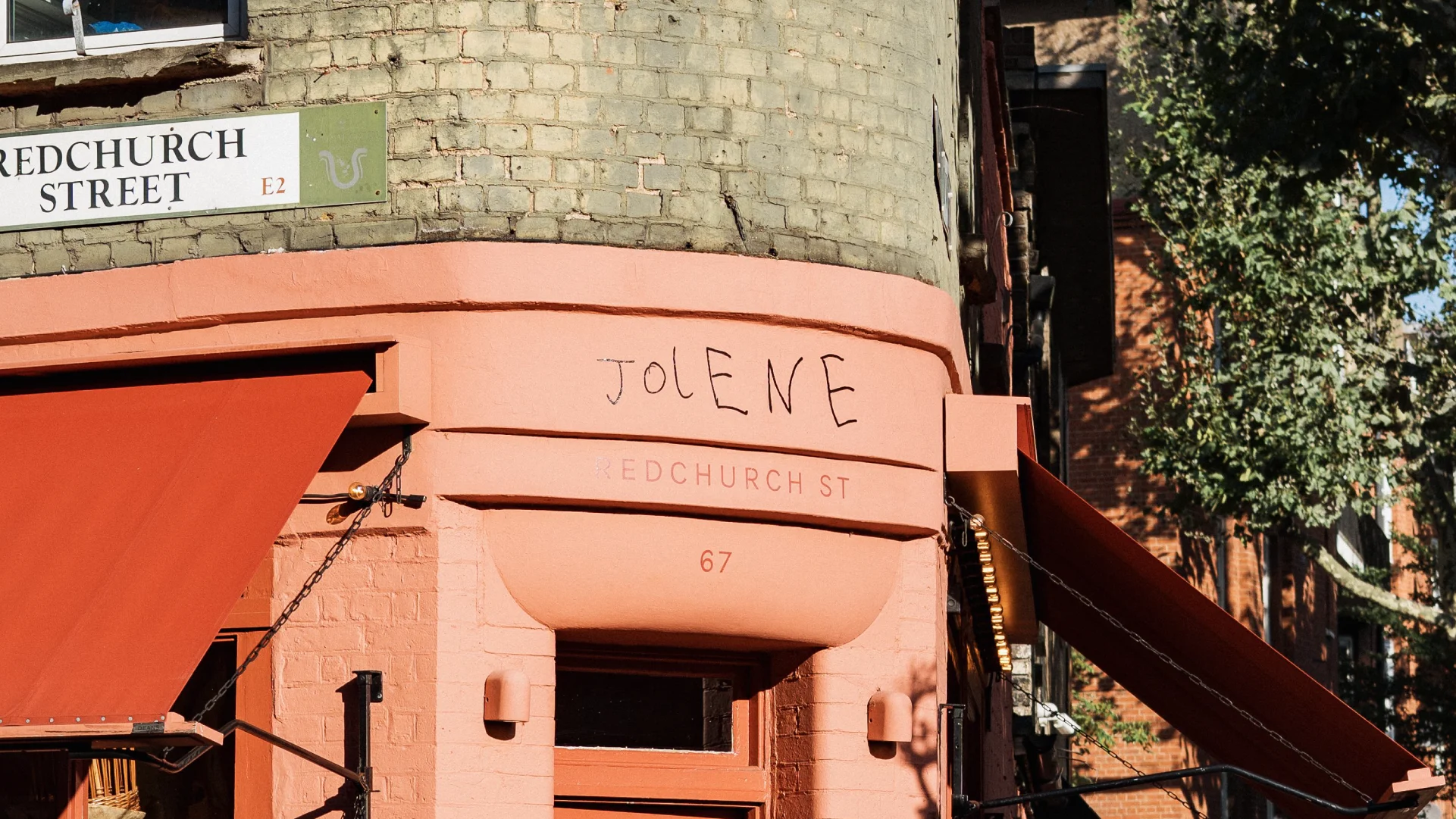
Strong hospitality branding gives shape to a mood. Even a quiet corner can communicate character, calm, and intention.
A better way to approach branding in tourism
Start with what already exists.
Not with what competitors are doing. Not with what is currently fashionable. Look instead at what guests remember after they leave. What they photograph. What they repeat in reviews. What they tell friends. What they cannot quite name, but mention anyway.
Then define what you want to be known for. Not everything. Something specific. The most useful brands choose their centre and build from there.
Translate that into language and visuals that make the experience legible. Give people words for what they are sensing. Make the atmosphere visible. Make the promise understandable.
Then align the real experience with that promise. Close the gap. Say less that is generic. Say more that is true.
Repeat it. Patiently and consistently. Across every touchpoint.
That is a place branding strategy. It is less theatrical than many people expect. More exacting, too. It asks for honesty. It asks the brand to stop performing and start revealing.
This is where place branding moves beyond logo design. Architectural details, materials, and circulation all help tell the story.
What changes when your branding is clear
The change is subtle at first, and then not subtle at all.
The wrong guests begin to fall away. The right ones arrive with more confidence. Pricing becomes easier to hold because the value is easier to understand. The business spends less energy explaining itself over and over in slightly different ways. Marketing stops feeling like compensation for confusion.
This is one of the clearest effects of strong boutique hotel branding, tourism branding, and place-led hospitality strategy: clarity changes perception, and perception changes behaviour.
For small, independent businesses, this matters even more. They do not have the cushion of a global flag or a generic reputation to lean on. What they have is atmosphere, story, specificity, and care. When those qualities are translated well, they become an advantage.
The brand begins to do what it should have been doing all along. It speaks before the business has to.
“Place branding affects pricing because it shapes expectation. When the identity is clear, people understand the value before they ever ask the rate.”
Place Branding FAQs
What are the 4 types of branding?
A common way to group branding is into four categories: corporate branding, product branding, personal branding, and place branding. Place branding focuses on shaping how people perceive a location, destination, property, or experience tied to a specific setting.
What are the four R's of place branding?
The four R’s are often interpreted as reputation, reality, resonance, and relationship. In practice, they speak to what people believe about a place, what is actually true, how deeply that identity connects, and how trust builds over time.
What is the place branding process?
The place branding process usually begins with research and observation. From there, it moves into positioning, story, identity, and expression, then extends into guest experience, partnerships, and rollout across every touchpoint. The goal is alignment between what the place is and how it is perceived.
What is place in 4 P's?
In the traditional 4 P’s of marketing, place refers to distribution: where and how an offer is accessed. In hospitality, the meaning becomes richer. Place is not only location. It is setting, atmosphere, context, and the physical and emotional environment in which the brand is experienced.
A place brand becomes more memorable when the room feels connected to its surroundings, rather than sealed off from them.
Not sure if your brand reflects the place you’ve built?
Book a free 15-minute Clarity Call with a brand strategist to talk through what feels misaligned, what may be missing, and where a clearer sense of place could strengthen how guests experience your brand.
Join our mailing list. A short note when we have something worth sharing on brand strategy, identity thinking, and field reflections from the places shaping our work.
Thank you! Your submission has been received!
Oops! Something went wrong while submitting the form.