7 Keys to a Restaurant Brand Launch

A restaurant brand launch isn't just a date on a calendar. It is the first breath your concept takes. It is a first impression repeated a thousand times—in the weight of the menu card, the glow of the signage, the cadence of your social captions, and the way the air shifts when a guest steps inside.

Many founders begin with a vivid vision—the food, the light, the gathering—but rush to release it into the world before it fully knows itself. But launching without deep alignment often leads to diluted magic, mixed messaging, and a loss of that precious initial momentum.

A thoughtful launch is an act of hospitality in itself. It builds trust, whispers to the right audience, and lays the groundwork for long-term loyalty.

Below, we explore seven keys to a launch that feels cohesive, magnetic, and built to last.

Build your brand foundation before anything else

Before you commission a logo or share a single teaser post, you must find your center. This is where the soul of the strategy is born—the quiet decisions that will inform every moment that follows.

Start by rooting yourself in the intangible:

  • Define the Ritual: Look beyond the food. Are you offering a slow, sun-drenched lunch, a late-night escape, or a noisy, celebratory gathering place?
  • Name the Feeling: Articulate the emotion the space holds. Is it cozy, electric, intimate, offbeat?
  • Clarify Your Values: Know what you stand for, what you protect, and where you refuse to compromise.
  • Know Your Guest: Do not try to speak to everyone. Focus on the specific person who will understand what you are building and return for it again and again.
  • Sharpen Your Point of View: Articulate exactly what makes you different, and why that difference matters in the landscape of your city.

Want to see how this looks in practice? Explore our Camp Cantina case study or read more on restaurant brand strategy.

"The earliest decisions that matter most are the ones nobody sees: who you're for, what you're promising, and what you want people to feel. When those are clear, the rest gets easier."
Camp Cantina menu design mockup showing a green “Uncorked 2023” cover and a deli lunch menu layout, displayed over a warm food-and-drink background in Clear Lake, Manitoba.

Shape a cohesive visual and verbal identity

A restaurant brand is a language, spoken both visually and verbally. Just like your tasting menu, it is the dialogue between your typography and your textures, your colour palette and your cocktail names.

The goal is not simply to look "cool." It is to ensure that wherever a guest meets you—on a screen or at the table—they meet the same distinct character.

Before you open, align these elements:

  • The Visual System: Your logo, type hierarchy, and colour palette should feel like siblings to your interior design.
  • The Voice: From menu descriptions to the way your team says "hello," define the tone. Is it warm and witty, or reserved and elegant?.
  • The Nomenclature: Bring intention to the details—how you name your menu sections, your house pours, and your events.

Consider our work with Camp Cantina. Their identity was not just a logo; it was rooted in a majestic national park, a heartwarming story, and local history, carried through the guest journey like a golden thread.

"The touchpoints that are most critical before opening day are the ones guests interact with in the first five minutes: signage, menus, and your digital presence. If those feel disjointed, the whole experience feels less intentional."
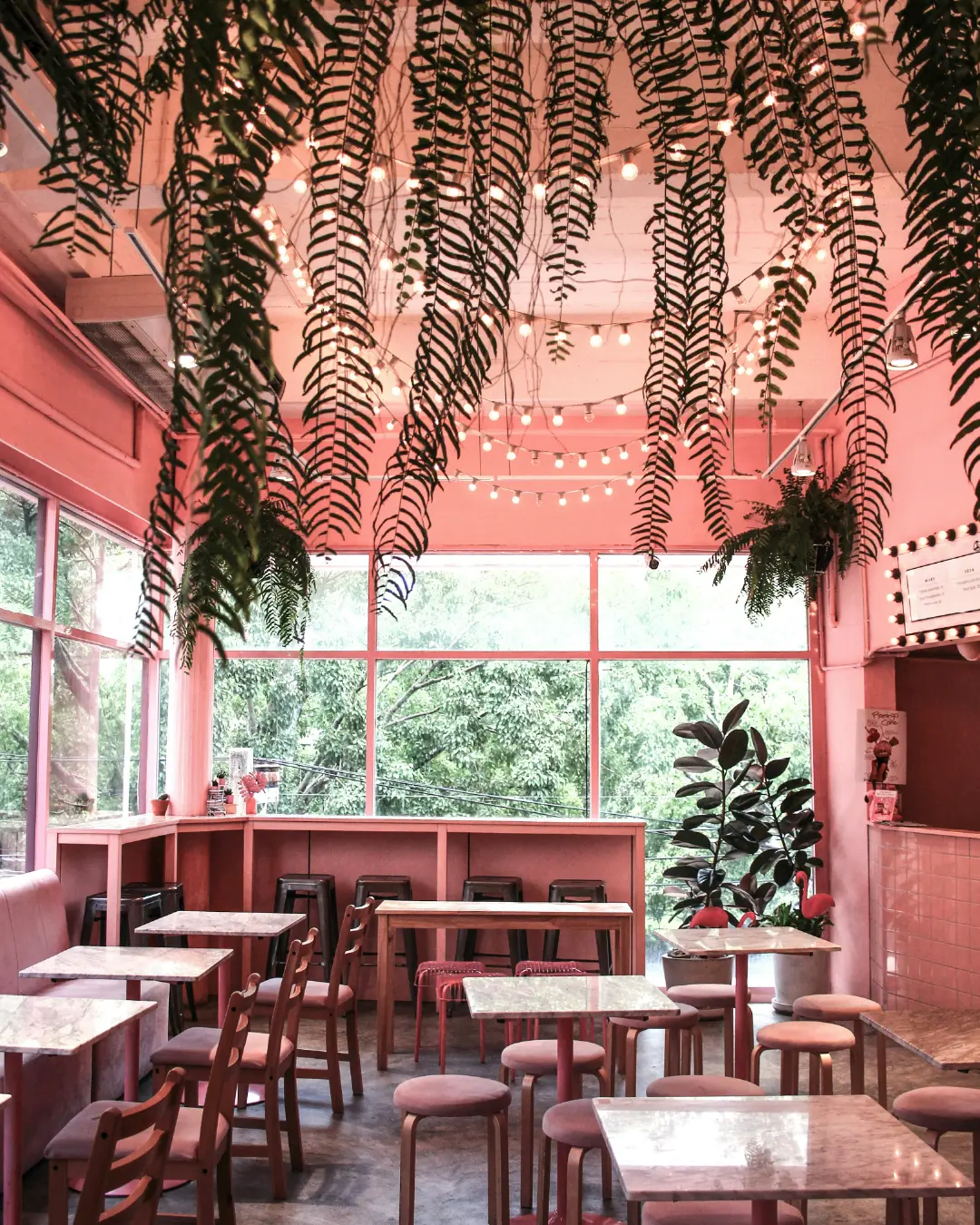
Pink café interior with hanging ferns, string lights, and marble-topped tables, creating a playful and plant-filled atmosphere.

Build your digital home and local visibility

In 2026, the guest experience often begins on a screen, long before the scent of cooking hits them. Your digital presence should be the foyer to your physical space—welcoming, clear, and atmospheric.

Your digital foundation includes:

  • A Website That Invites: Ensure clear pathways for reservations, supported by photography that captures the mood, the story, and the menu.
  • Local Visibility: Set up your Google Business Profile with care—accurate hours, evocative photos, and consistent listings ensure you are found.
  • Social Infrastructure: Prepare your branded templates, highlight covers, and a bio that reflects your voice, so your feed feels curated from day one.
  • The Inner Circle: Start an email list. Even a simple sign-up for VIP invites builds a community of people waiting for you to open.

Create pre-launch buzz

True buzz does not have to be loud to be effective. It just has to be consistent. Think of your pre-launch phase as a slow unfolding—a series of small glimpses that invite the city in.

Curate the anticipation:

  • Tease the Senses: Share behind-the-scenes moments that feel intimate—material samples, menu testing notes, playlist snippets, or the light hitting the unfinished bar.
  • Root Yourself in Community: Partner with local farms, makers, and wineries. Share their stories to show that your roots go deep.
  • Invite the Storytellers: Engage local food writers and creators early, while the narrative is still fresh and forming.
  • Leverage Tools Wisely: Use AI to draft content, freeing your creative energy to focus on the tangible experience.
"A common mistake is sharing everything too early, with no point of view. The best pre-launch awareness feels curated. Like an invitation.
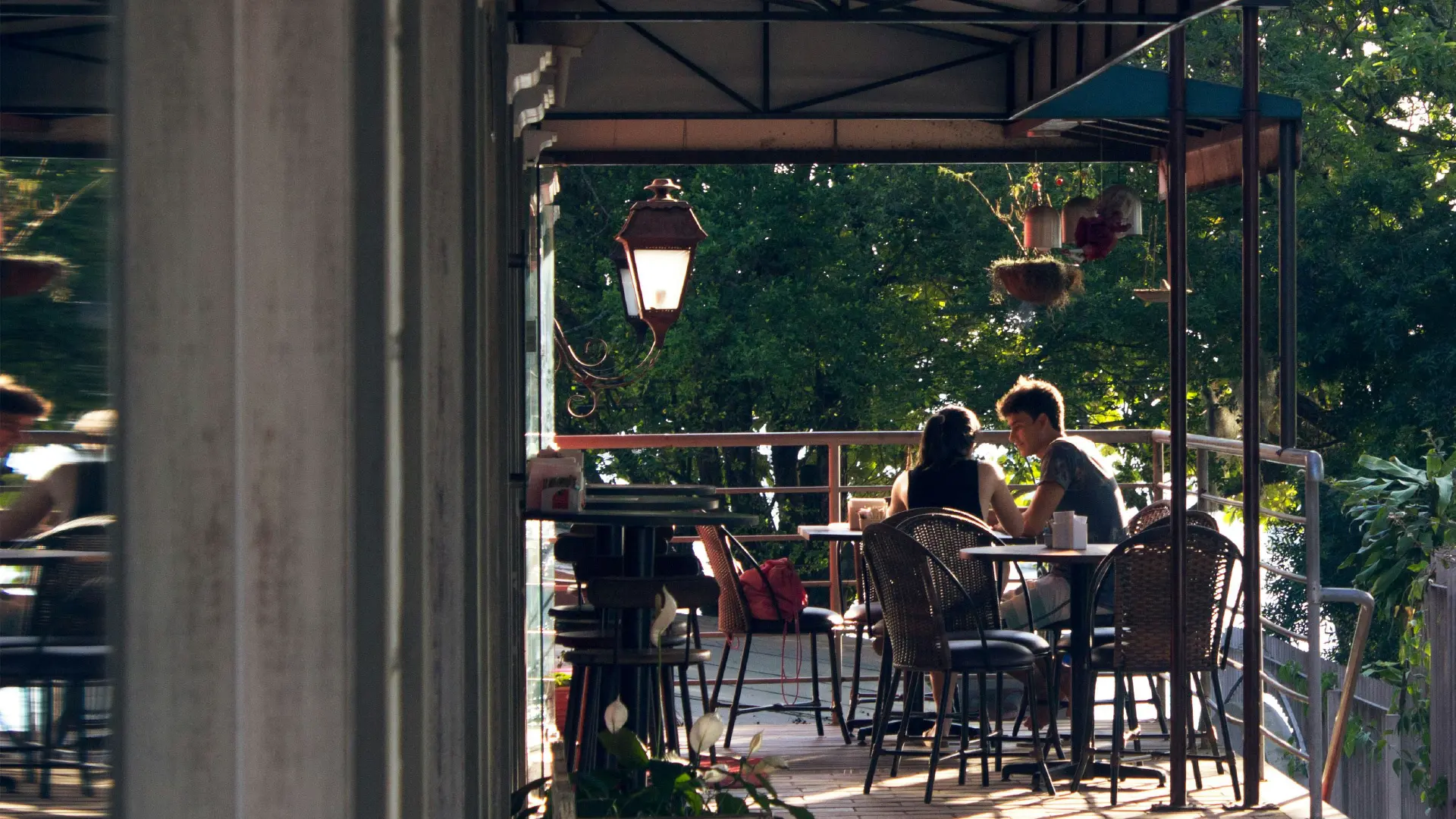
Two people seated at a restaurant patio table under a covered terrace, surrounded by greenery and warm afternoon light.

Plan soft openings and launch week with intention

A launch is a rehearsal, not a performance. The best opening strategies allow you room to breathe and learn.

Approach your opening with grace:

  • Start Small: Host soft openings for friends, family, and neighbors. These are your safest critics.
  • Listen Deeply: Create feedback loops. Find out what delights people and what interrupts their flow.
  • Match the Energy: Plan a grand opening that mirrors your brand personality. Perhaps it is a lively block party, or perhaps it is a quiet, candlelit preview.
  • Encourage Capture: Create moments that are beautiful enough to be shared naturally, without making your guest feel forced to pose for a selfie.
"Soft opening feedback often changes the brand activation more than the brand identity. It reveals where guests need clearer cues, calmer navigation, or a stronger welcome."

Activate your brand system across the full guest experience

This is where the brand steps off the page and into the room. This is where identity becomes lived experience.

Ensure your story is told through:

  • Service Rituals: How you welcome guests, guide them through the menu, and recover when things go wrong.
  • Tactile Details: The weight of the menu paper, the texture of the uniforms, the plating of the food.
  • Atmosphere: The way the music shifts as the sun goes down, the scent in the air, the warmth of the lighting.

Every detail is a sentence in your story. Make sure they are all telling the same one.

For menus, table cards, and opening-day print pieces, consider eco-friendly paper alternatives for your brand launch to align your materials with your values.

Guests gather outside Camp Cantina’s winter patio at Clear Lake, Manitoba, beside a heated igloo lounge during the Après Social Club event, with string lights and snowy weather.

Keep momentum after launch

The launch is not the finish line; it is the starting block. The weeks following your opening are where true loyalty is forged.

Sustain the energy:

  • Stay Consistent: Keep your social storytelling active and true to your voice.
  • Engage with Care: Respond to reviews and requests with humanity and timeliness.
  • Evolve with the Seasons: Like Camp Cantina’s Après Social Club, use seasonal shifts to introduce new chapters to your narrative.
"The best brand systems support growth after opening—especially when seasons shift, menus evolve, or you add a new offer. The foundation holds, even as the story expands."

FAQs

What is the 30/30/30/10 rule for restaurants?

This is a financial guideline often used to ground a restaurant’s business plan. It suggests allocating roughly 30% of revenue to goods, 30% to labour, and 30% to overhead, leaving 10% for profit. While actual numbers vary by concept, it serves as a useful compass or north star.

What are the 4 P's of marketing for restaurants?

The classic framework for positioning: Product (your menu and experience), Price (your value), Place (your location and accessibility), and Promotion (how you invite the world in).

What are marketing strategies for restaurants?

The most resonant strategies are those that feel authentic to your brand. This includes local SEO, evocative photography, email storytelling, genuine partnerships, and seasonal moments that give guests a reason to return.

If you want your restaurant's brand to feel like a place guests remember long after they leave, we would love to guide your launch.

Book a free Clarity Call with us today.

Creative director working on a laptop from a city hotel terrace, reflecting remote strategy work for hospitality and travel brands.

From the field

Join our mailing list. A short note when we have something worth sharing on brand strategy, identity thinking, and field reflections from the places shaping our work.
* By submitting, you are agreeing to our Privacy Policy
Thank you! Your submission has been received!
Oops! Something went wrong while submitting the form.