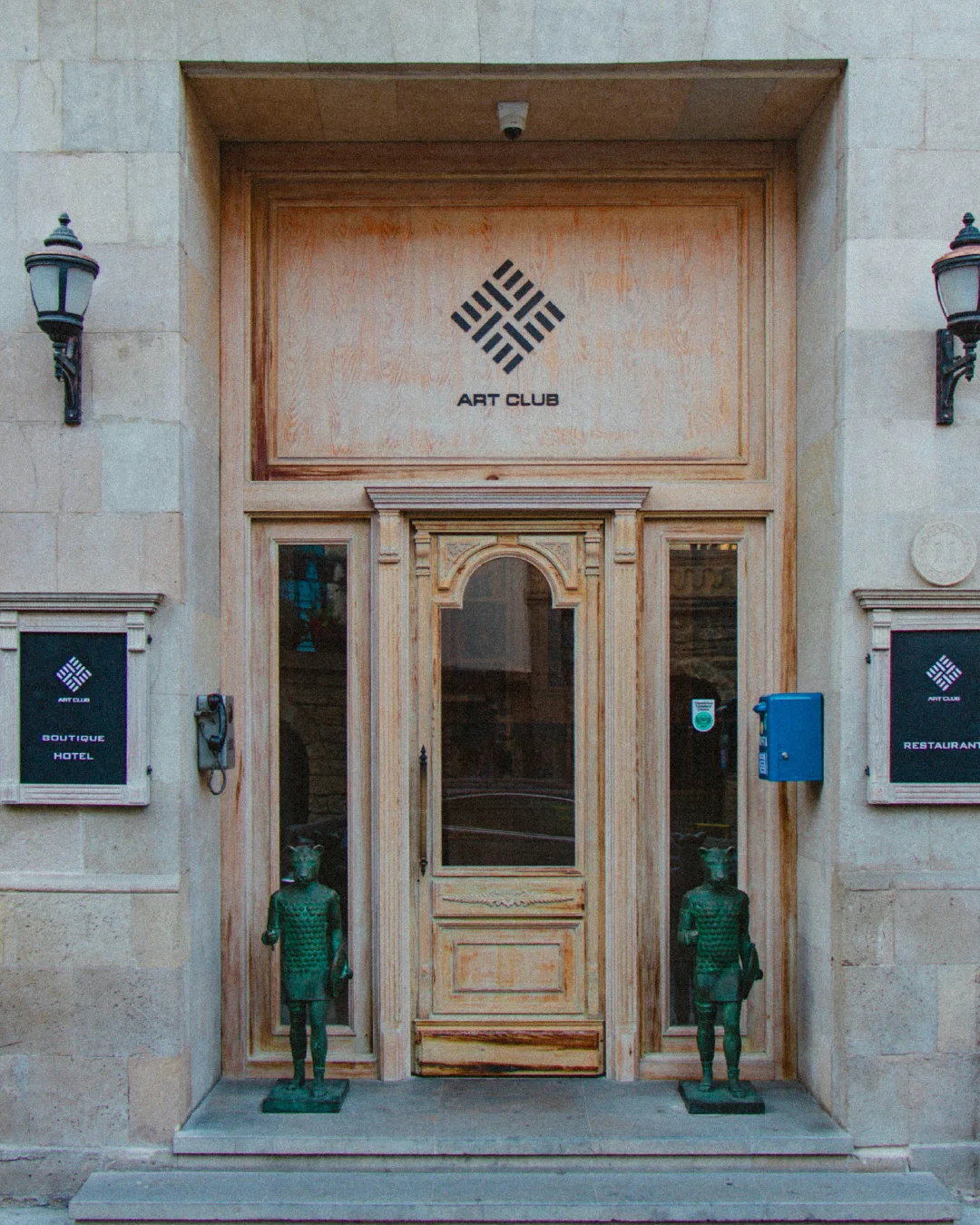
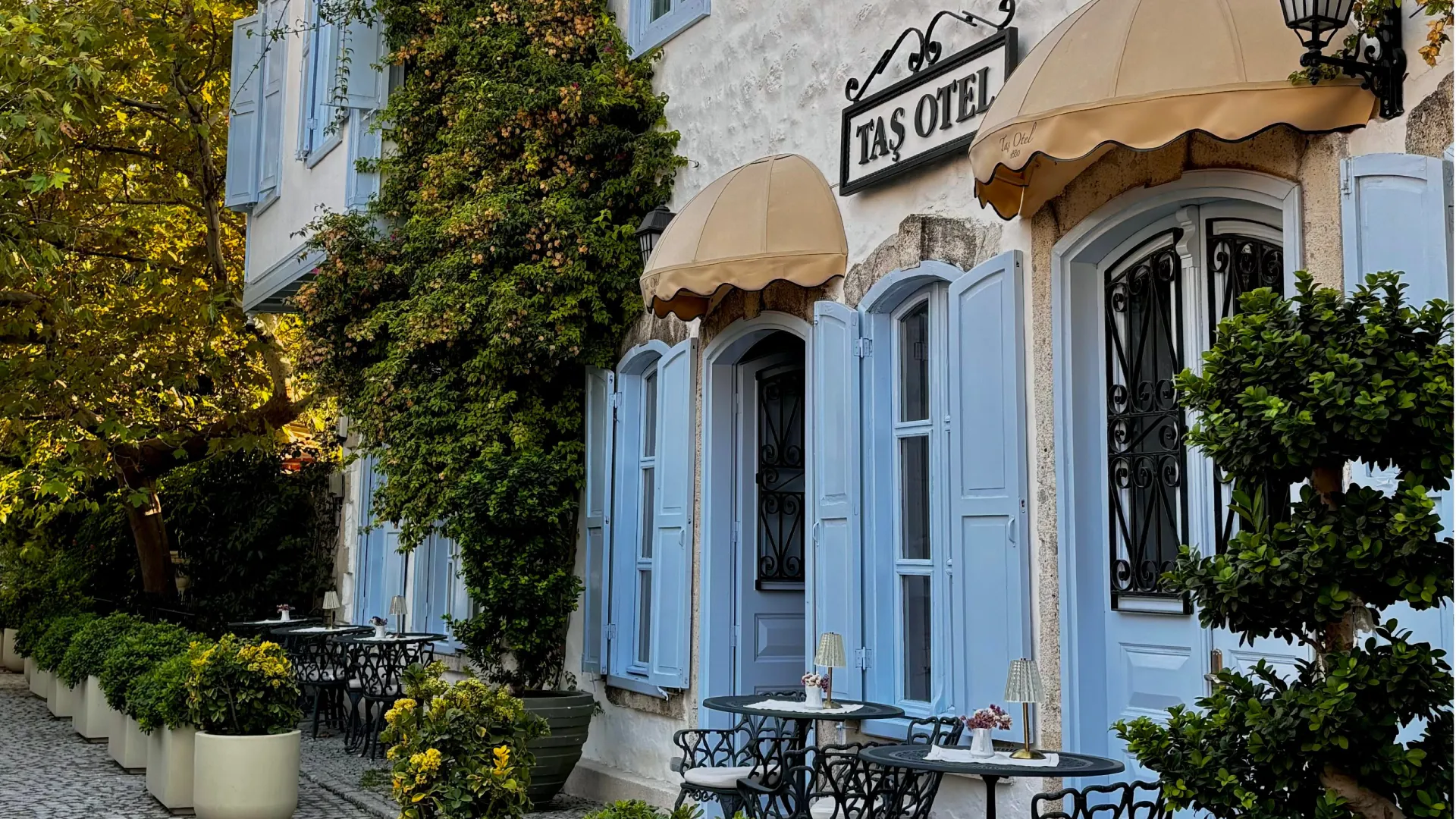
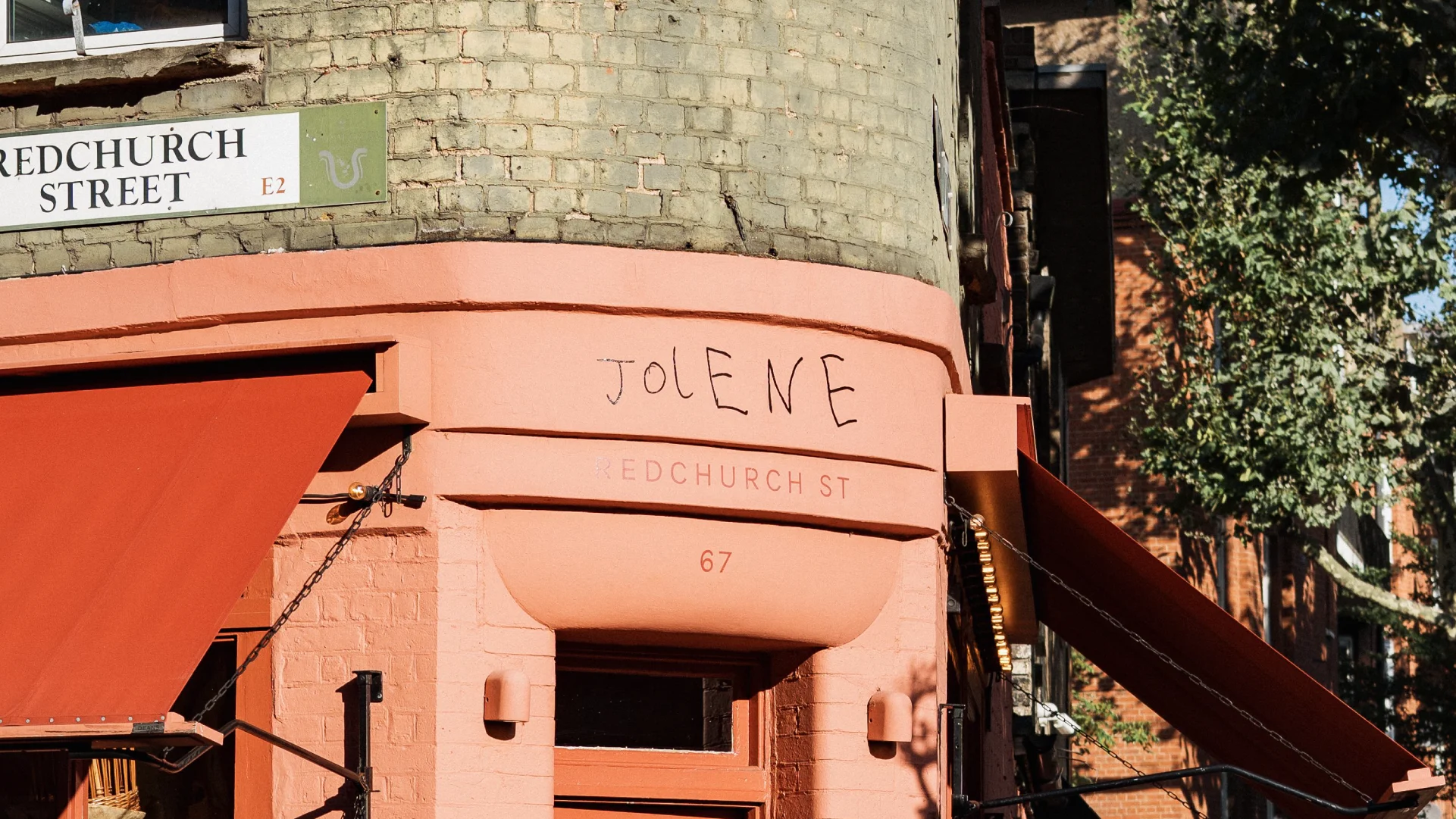
You've built something people love once they arrive. The pace softens. The details land. The experience feels lived-in, considered, hard to mistake for anywhere else. Guests leave happy. They tell friends. They say the stay was better than expected. And yet getting them there still feels harder than it should.
This is usually the point where people assume they have a marketing problem. They double down on content, adjust the ad budget, refresh the social feed, try a new offer, rewrite the homepage. Sometimes those things help. Often they do not help enough. Because the real issue sits earlier in the chain. It is not only about attention. It is about meaning.
This is where branding in tourism begins.
For hotels, retreats, tour companies, and place-based experiences, tourism branding is the process of shaping how a business is understood before the guest arrives and remembered after they leave. Done well, it attracts more aligned guests, strengthens pricing, supports direct bookings, and gives the business a clearer centre to grow from. That is the work this article looks at: what branding in tourism means, why it matters, what strong tourism brands do differently, and how to start shaping your own.
What branding in tourism means
Branding in tourism is the strategic process of shaping how a place, stay, or experience is perceived.
That sounds abstract until you see how quickly perception forms. A guest sees a few photographs. Reads a line or two. Notices whether the language feels generic or precise, whether the design feels borrowed or rooted, whether the whole thing sounds like it knows itself. They have not arrived yet, but already the decision is forming.
This is why tourism branding reaches beyond logos. It lives in story, identity, atmosphere, service, culture, and place. It is built from what the business stands for, what guests expect before they book, and what they actually remember once they leave. In that sense, your hotel, retreat, or tour company is not only a product. It is something people step into. The brand gives shape to that step.
A strong tourism branding strategy holds together three things at once: identity, perception, and experience.
Identity is what you stand for.
Perception is what people assume before they get there.
Experience is what confirms or corrects that assumption later.
When those three are aligned, the business begins to feel inevitable. When they are not, even a beautiful experience can struggle to be chosen.
This is part of why so many thoughtful operators feel a strange friction. The offering is good. Sometimes exceptional. But the brand has not yet caught up to what the experience has become. That gap is costly. It creates hesitation where there should be recognition.
Why branding matters in tourism
Branding matters in tourism because it helps you attract the right guests, not simply more guests.
A broad, vague identity can fill a calendar with mismatched bookings, guests who expected something else, guests who compare you on price alone.
Clear tourism positioning does the opposite. It narrows the frame in the right way. It helps the people who are already looking for what you offer recognize themselves in it.
That kind of clarity affects pricing, too.
Branding influences perceived value by making the experience easier to understand before it is purchased. When the promise is clear, the price feels more grounded.
It also reduces reliance on OTAs (Online Travel Agency platforms like Expedia or Booking.com). When a business has a sharper point of view, stronger direct messaging, and a more cohesive guest experience branding system, it becomes easier for travellers to choose it without being nudged there by a third-party platform. The business starts to earn repeat visits and referrals because the experience feels distinct enough to remember and easy enough to describe.
Before, the brand tries to appeal to everyone and ends up pulling in mixed guests. After, the positioning sharpens, the bookings feel more aligned, and the marketing has less compensating to do.
If you want a useful companion piece on the money side of this shift, our article on how much hotel branding costs helps connect brand clarity to investment, pricing, and long-term growth.
Marketing is campaign-based. It promotes, announces, reminds, launches, fills the gap, gets the click. Branding is slower. It is the long-term structure that tells people what the business is, who it is for, how it feels, and why it matters. Marketing gets people to look. Branding gives them a reason to choose.
This is why destination marketing vs branding is not an either-or question. You need both. But when the brand is weak, marketing works too hard. It has to explain what should already be obvious. It has to generate trust from scratch each time. It has to keep making noise because nothing cohesive is holding the story together underneath.
A strong travel marketing strategy performs better when the brand beneath it is already clear. Then the campaigns are not inventing meaning. They are amplifying it.
The strongest hospitality brands turn small moments, like a welcome drink, into memory.
Core elements of strong tourism branding
Strong tourism branding begins with clear positioning rooted in place.
It also needs an authentic story tied to culture and experience, a consistent voice and visual language across every touchpoint, a guest experience that matches the promise, and some degree of alignment with the surrounding community, whether that takes the form of partnerships, local references, or a deeper respect for the place itself. Sustainability and values matter here too, not as decoration, but as part of the actual operating philosophy when they are real enough to be felt.
This is where many brands lose the thread. They mistake branding for a collection of outputs: a logo, a type palette, a homepage, some templates. But a strong brand identity in tourism is not a collection of assets. It is a system that holds everything together.
The biggest misconception about branding in tourism is that it is mostly visual. It is not. The visuals matter, but only when they are carrying something true.
That is why the strongest brands feel coherent. The photography, booking flow, tone of voice, on-site materials, rituals of service, and broader hospitality brand experience design all seem to belong to the same world. Not because they match perfectly, but because they are moving in the same direction.
This is also where your brand strategy and brand identity become so valuable. One clarifies the meaning. The other helps that meaning hold together in public.
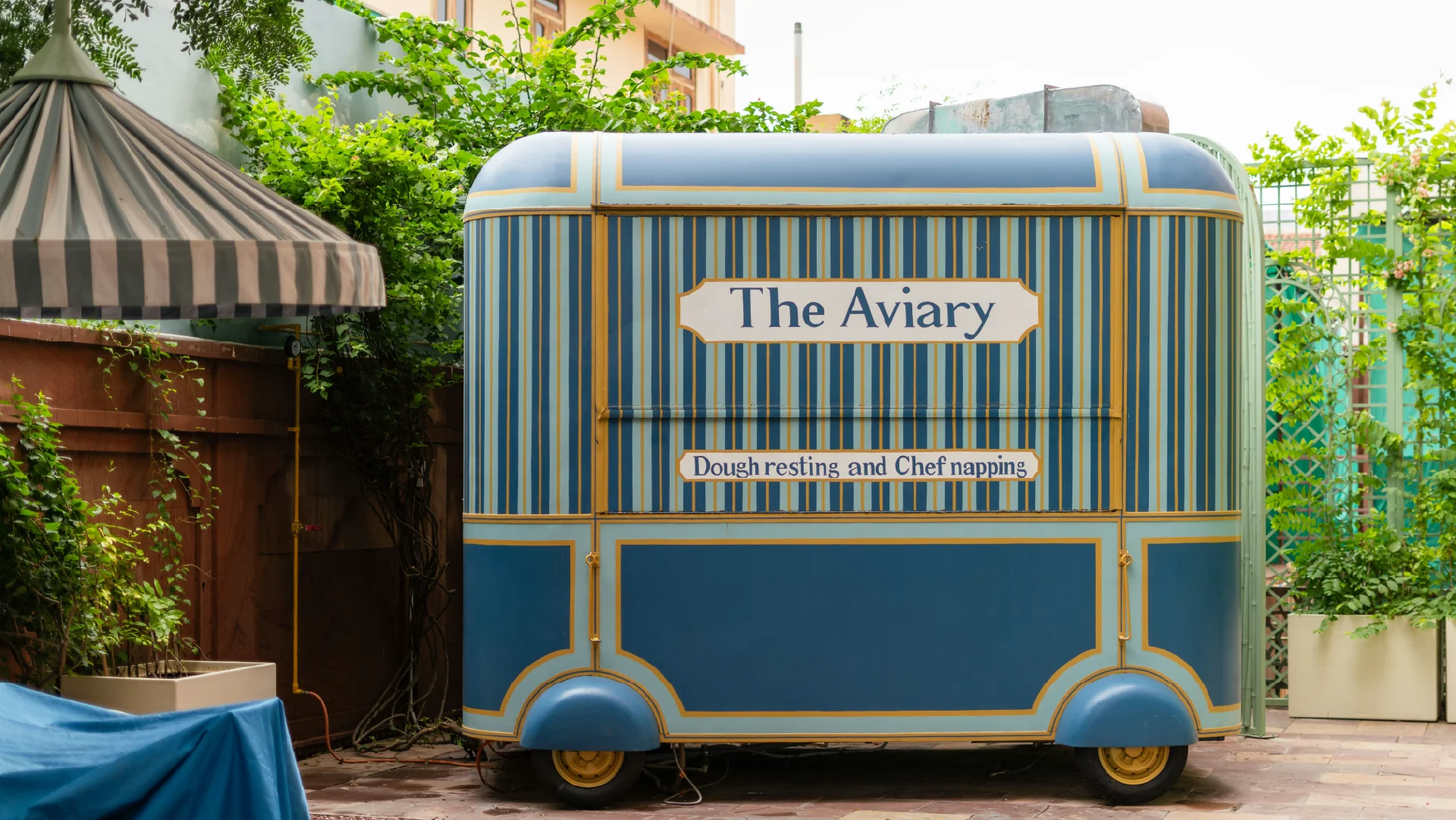
The Aviary shows how visual identity can shape a guest experience.
How tourism brands come to life
Story and positioning
This is where the business decides what it wants to be known for and who it is actually for.
Not every guest. Not every traveller. The right one.
A strong travel brand strategy identifies the emotional centre of the experience and builds language around it. This is especially important in adventure tourism marketing and more experiential categories, where people are choosing not just an itinerary but a feeling, a rhythm, a worldview, even a version of themselves inside the trip.
Visual identity
Photography, design, and atmosphere shape the first impression fast.
A brand can say it is grounded, intimate, and place-led, but if the visuals feel generic, over-filtered, or disconnected from the actual experience, the trust erodes almost immediately. Boutique hotel branding, destination branding, and tourism branding all depend on visual signals that feel rooted rather than borrowed.
Digital presence
The website, booking platforms, and social channels should not feel like separate personalities.
They should sound related. The guest should move from Instagram to booking page to confirmation email without the story fraying in their hands. This is where a lot of tourism brands reveal their weak points. The in-person experience may be thoughtful, but the digital presence feels rushed, fragmented, or too close to everyone else.
Guest experience
Arrival matters. Service matters. The small details matter.
The welcome note, the pacing of a tour, the music at check-in, the quality of the guide, the structure of a meal, the way a room opens onto the landscape. These things are not separate from the brand. They are the brand made tangible.
Local connection
The most resonant tourism brands understand that place is not a backdrop.
It is a collaborator.
That can mean local partnerships, deeper cultural understanding, a more honest relationship to the history of the land, or a clearer sense of how the business fits into the life around it. Brands that flatten place into scenery tend to feel thin. Brands that let place shape the offer feel harder to forget.
A good example of this can be seen in Explora Hotels. On its official site, Explora says its purpose is to explore remote destinations in order to broaden perspectives, connect deeply with nature, and drive conservation through in-depth exploration. Its lodges and journeys are consistently framed around immersion in specific territories, landscapes, and local cultural richness, rather than generic luxury alone. That is what makes the brand feel anchored. It is not selling escape in the abstract. It is selling a particular relationship to place.
You can see a similar belief in place-based identity echoed in our work for Chile Off Track and Clear Lake Country, where the story of the destination is inseparable from the story of the brand.
A simple framework for branding in tourism
Define what makes your place distinct
Start with what is already true. What do guests remember? What do they mention in reviews? What would be lost if this business disappeared?
Identify your ideal guest and what they value
The goal is not broader appeal, it is better fit. A business grows more sustainably when its brand speaks clearly to the people most likely to care.
Clarify your story and positioning
Put language around the emotional and practical value of the experience. Say what kind of world the guest is stepping into.
Align visuals, messaging, and experience
The website, photography, copy, signage, and guest journey should all feel like chapters of the same book.
Apply it consistently across every touchpoint
Consistency is what turns a good impression into a trusted one.
This is also why one-off fixes rarely solve the deeper issue. The answer is usually not a new homepage banner or a nicer logo lockup. It is a more complete system.
Common mistakes in tourism branding
The first mistake is treating branding as a logo or visual exercise.
The second is copying trends instead of reflecting place. This is common in tourism, where businesses often reach for the same visual cues, the same beige minimalism, the same phrases about curated experiences and hidden gems, until the whole category starts to flatten.
The third is inconsistency across platforms.
The fourth is ignoring the guest experience itself, as though the brand ends once the booking is made.
The fifth is leaving out local voices, culture, or context, which often results in a brand that looks polished but feels strangely empty.
What separates a memorable tourism brand from a generic one is not budget. It is specificity. The memorable brand knows what it is rooted in.
This is also where smaller operators can compete surprisingly well with larger destinations. They can be more exact. More distinct. Less diluted. A small operator does not need to look bigger. It needs to look truer.
Signs your brand is holding you back
Guests love the experience, but it does not come across online.
You attract the wrong type of guest. Pricing feels difficult to justify. Marketing feels reactive and inconsistent. You struggle to explain what makes you different without defaulting to the same language everyone else is using.
These are not always signs of weak marketing. Often they are signs of unfinished branding.
One practical change that improves perception quickly is often sharper language. When a business finds more precise words for what makes it distinct, the whole brand begins to feel more intentional.
That shift matters because perception forms early. Long before someone arrives, they are deciding whether your business sounds like the kind of place they want to choose.
Where to start with branding in tourism
Start with clarity, not visuals.
Look at what is already true about your place. The atmosphere people remember. The details that seem to carry emotional weight. The values that guide decisions when no one is watching. Then build from there.
Focus on the system, not the one-off fix. The goal is not to look branded. It is to create a brand that reflects the depth of what you have actually built and can continue to support it as the business grows.
That is the work we do at Little Ghost. We help thoughtful hospitality and travel brands translate what they have built into something clearer, more cohesive, and more resonant in the world. You can see more of that thinking across our work and our approach.
Ready to see where your brand is out of sync with your experience?
If your guests love what you have built, but the brand still feels harder to explain, harder to price, or harder to grow than it should, this may be the right time to step back and look at the whole system.
Book a call with us and let’s talk about what feels misaligned, what may be missing, and how your tourism brand could better reflect the place, story, and experience you have already created.
Join our mailing list. A short note when we have something worth sharing on brand strategy, identity thinking, and field reflections from the places shaping our work.
Thank you! Your submission has been received!
Oops! Something went wrong while submitting the form.