How Much Does Branding Cost for Restaurants in 2026?
There is a particular moment when a restaurant begins to feel larger than its logo. It happens quietly. The room fills on a Friday night. The menu carries more intention than it used to. The staff have a rhythm. The regulars know where they like to sit. The food has become not just food, but a reason to cross town, to bring friends, to call the babysitter. And then, somewhere in the middle of all that momentum, the brand starts to feel thin. Restaurant owners often ask us “How much should branding cost?” The better question is: what does the brand need to hold?
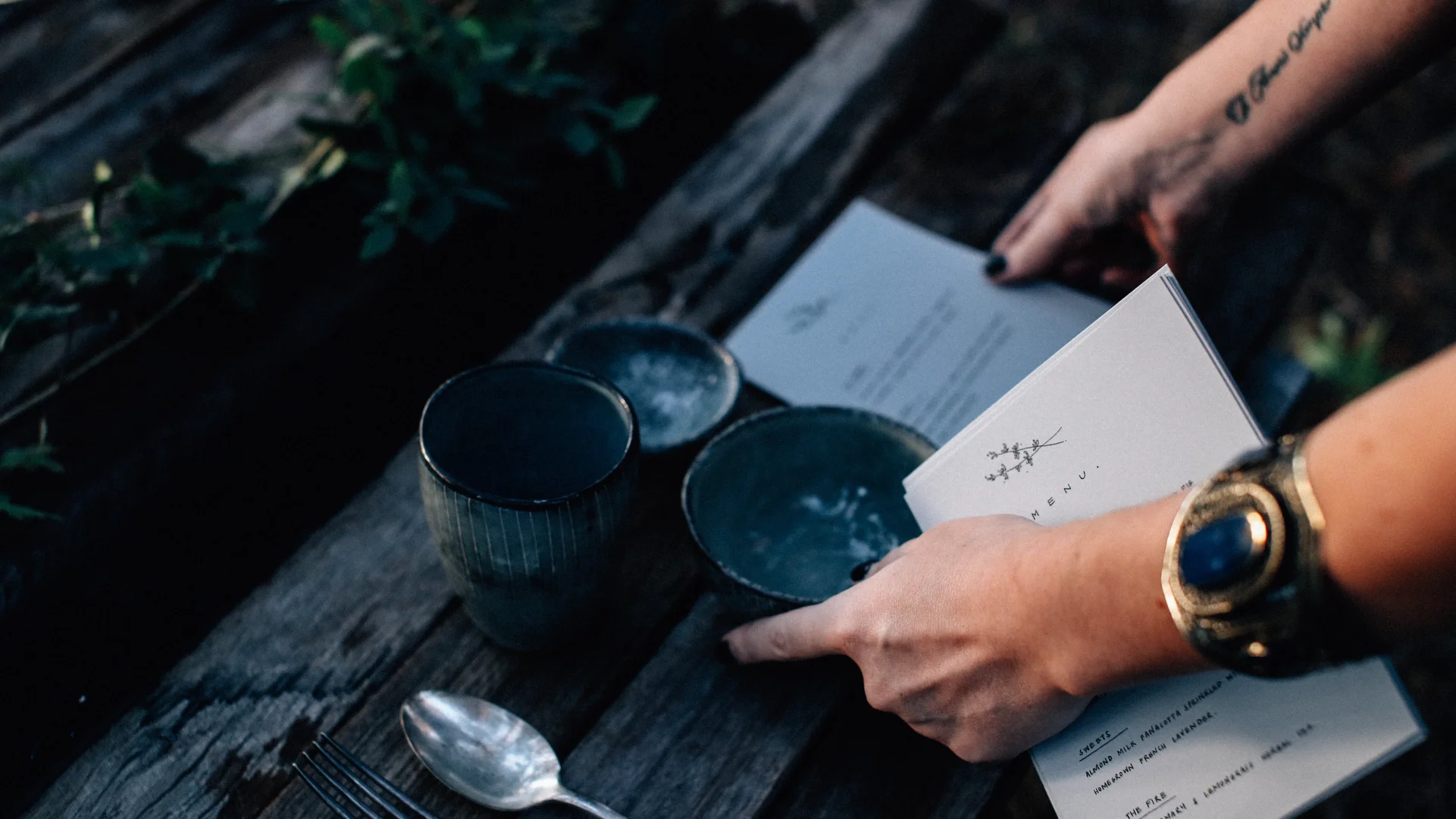
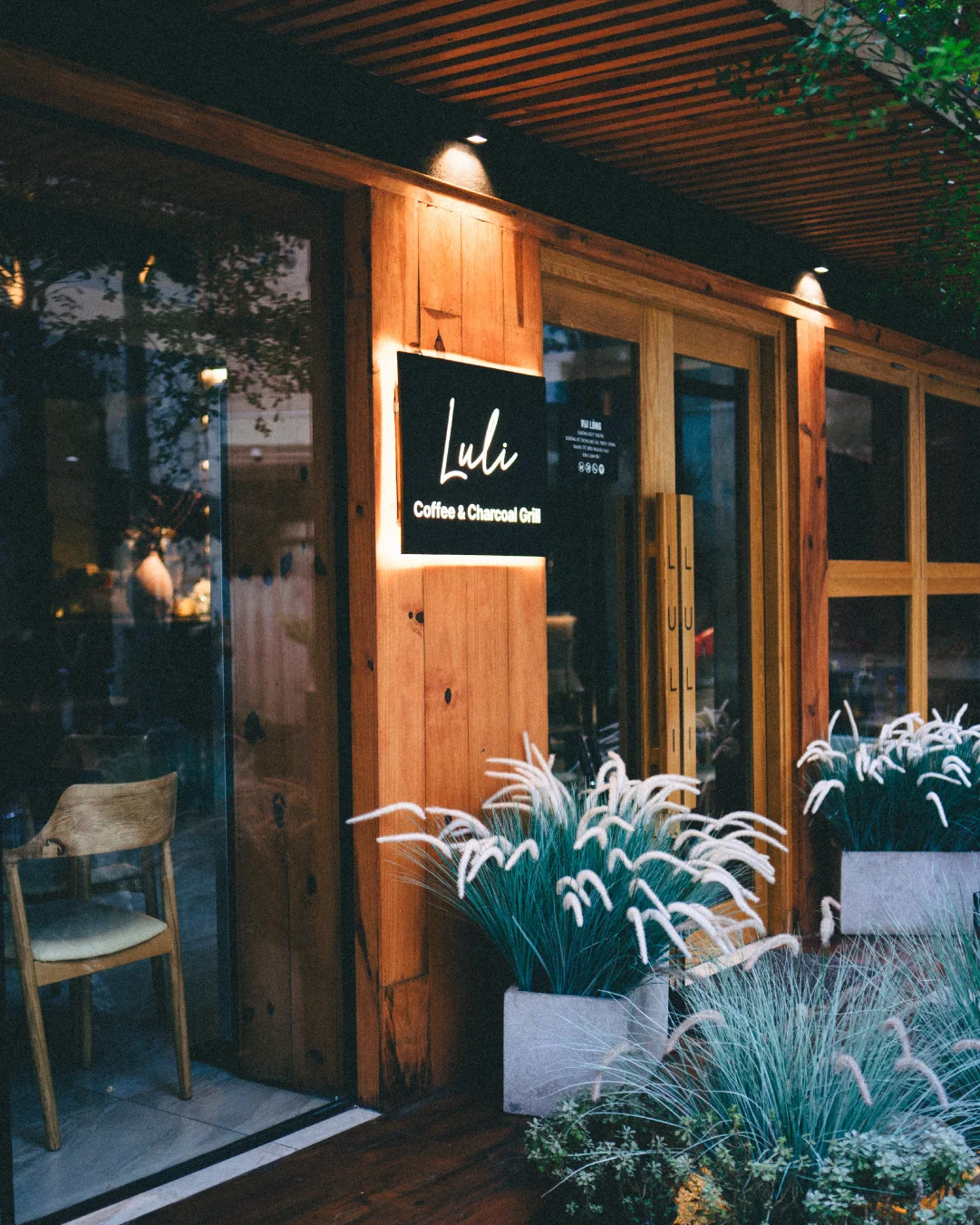
Because branding shapes almost everything a guest feels. The menu they hold. The sign they spot across the street. The story behind the ceramicist who made each plate a piece of art. The tone on the website. The paper wrapped around the sandwich. The small confidence that says, “Yes, this place knows who it is”.
In 2026, restaurant branding prices can range from a few thousand dollars for a simple logo to well into six figures for a full restaurant brand identity system, website, signage, packaging, launch campaign, and multi-location rollout. The right investment depends on the complexity of the concept, the scale of the guest experience, and how much the brand needs to support future growth.
This matters because restaurants are operating in a strange, pressured market. In Canada, full-service restaurant sales rose by $2.4 billion year over year to $43.6 billion in 2025, while Restaurants Canada expects real commercial foodservice sales to decline by 1.1% in 2026. In the U.S., the National Restaurant Association projects restaurant industry sales of $1.55 trillion in 2026, with inflation-adjusted growth of 1.3%.
The room is full. The margins are tight. The choice has to feel clear.
This is a grounded guide to restaurant branding costs, what influences them, and how to set a restaurant branding budget that supports the experience you are actually building.
What Influences Branding Costs for Restaurants
The cost of branding a restaurant is shaped less by the size of the logo and more by the size of the world around it.
A small coffee bar with one menu, one storefront, and one strong point of view will need something different than a restaurant group with a deli by day, a wine bar by night, seasonal pop-ups, private dining, takeout packaging, staff uniforms, and a future location already forming in someone’s head.
The biggest cost drivers are:
The complexity of the concept: a single-service restaurant is simpler than a layered hospitality concept with multiple offerings.
The number of touchpoints: menus, signage, packaging, website, social templates, uniforms, interior cues, gift cards, and launch materials all add scope.
The need for strategy: positioning, guest profiles, story, voice, and messaging create the foundation for every creative decision.
The scale of the business: one location has different needs than a restaurant group, hospitality collective, or multi-city concept.
Seasonal and experiential layers: tasting menus, events, pop-ups, retail products, and private dining all need the brand to flex without falling apart.
This is where many restaurants underestimate the real restaurant brand identity cost. They budget for a logo, but not the ecosystem. The menu gets designed later. The signage gets rushed. The website sounds different from the room. The packaging looks like it came from another business entirely.
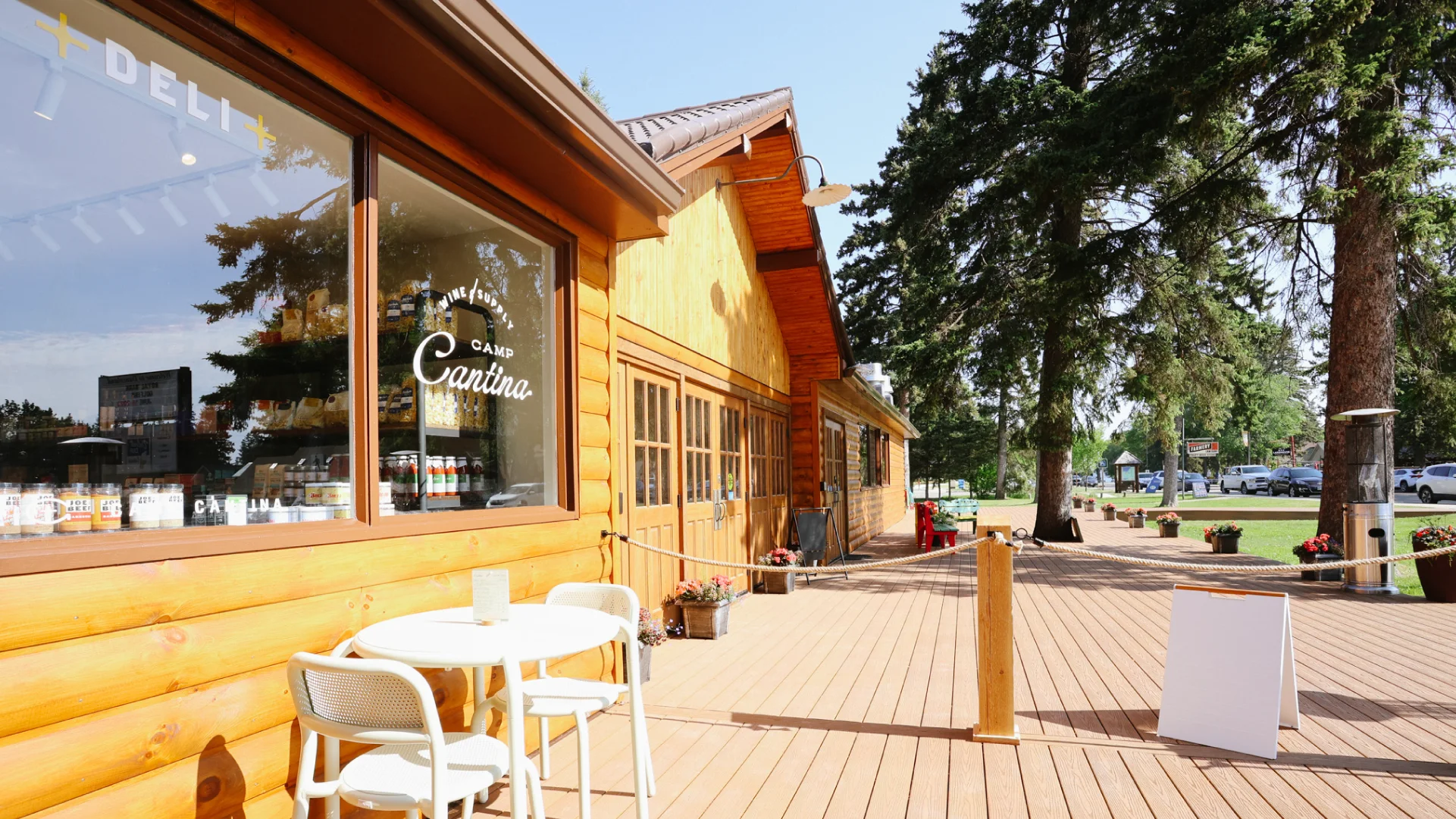
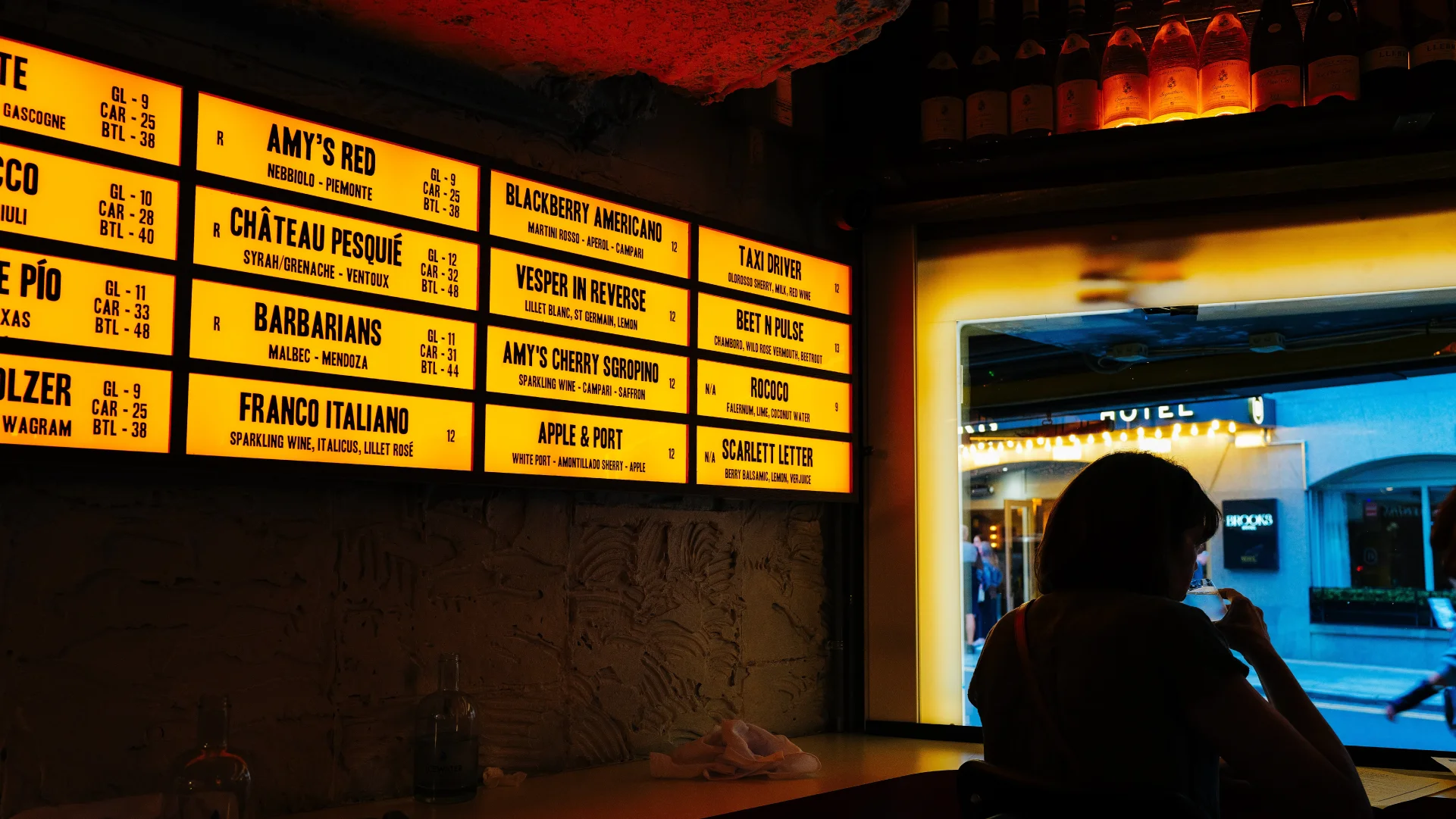
For Camp Cantina, the brand needed to flex across seasons and offerings. It was not only a restaurant identity; it was a living system for a restaurant and wine bar with changing moods, menus, and moments. That kind of depth increases cost because it asks for more than aesthetics. It asks for structure.
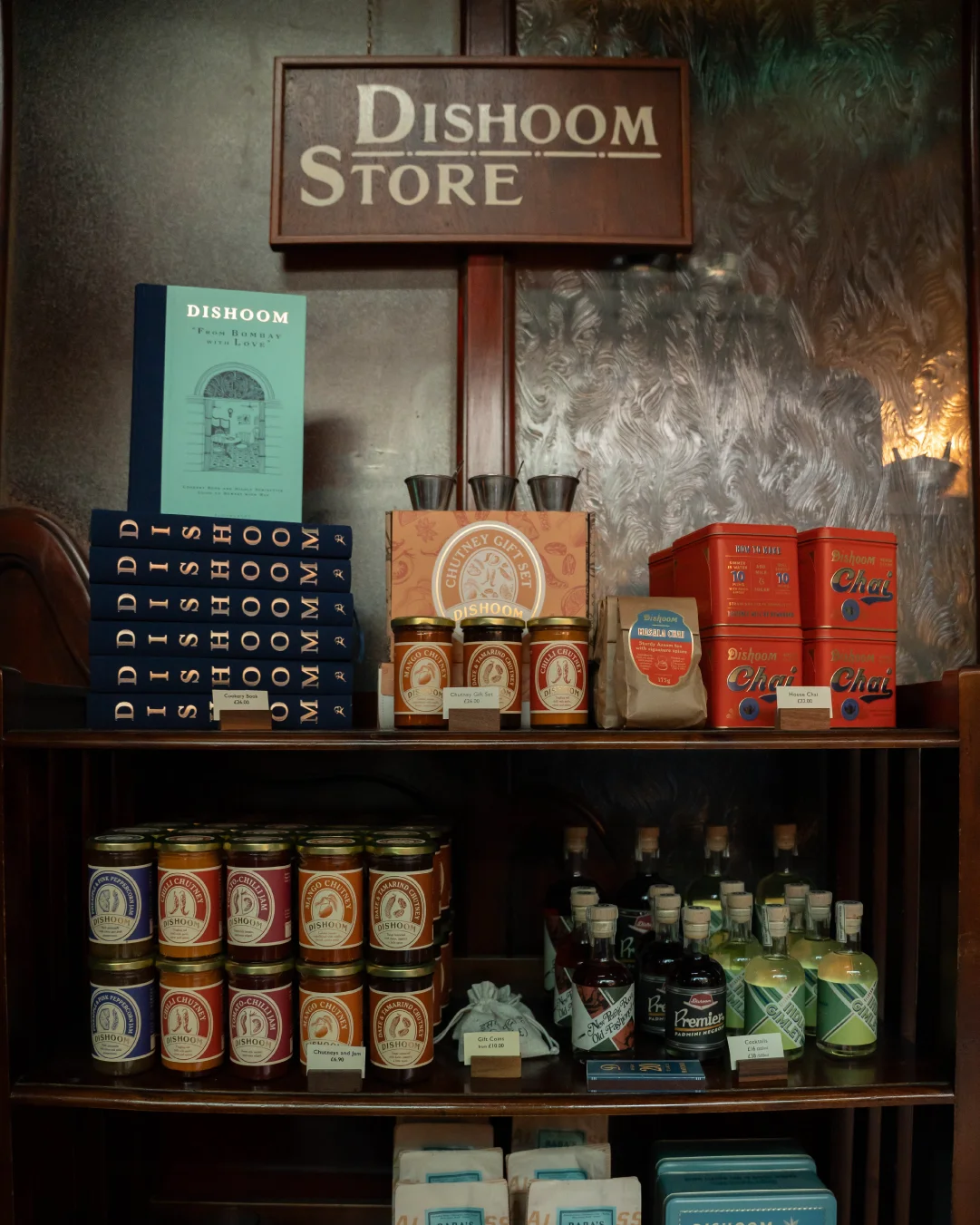
A strong external example is Dishoom, the London-born restaurant brand inspired by Bombay cafés. Its brand world is not carried by one logo alone. It appears through story, interiors, service, menus, retail, and the specific emotional memory of a city. Dishoom describes its restaurants as paying homage to the food of Bombay, and a 2025 Guardian feature noted that each location has its own Bombay-related theme, with detailed storytelling and custom décor.
That is restaurant branding as place-making.
“The most overlooked restaurant brand assets are almost always the ones guests touch: menus, signage, packaging, uniforms, and the little printed pieces that make the experience feel considered. A logo can introduce the restaurant, but those details are what make the brand believable.”
Typical Branding Cost Ranges for Restaurants
Branding package pricing varies widely, but these ranges offer a useful planning framework for independent restaurants, destination restaurants, and hospitality concepts in 2026. External pricing guides show brand identity projects ranging from a few thousand dollars to $30,000 or more, while broader branding agency pricing can extend into much higher ranges depending on complexity, strategy, and rollout.
Restaurant logo only
Typical range: $1,000-$5,000+
A restaurant logo cost at this level usually covers a primary logo, maybe a secondary mark, and basic file exports. It may be enough for a very early concept, a temporary pop-up, or a restaurant testing an idea.
But a logo-only project rarely includes positioning, messaging, menu design, signage planning, or brand guidelines. It gives you a mark. It doesn’t give you a system. It doesn’t even give you fonts or options for colours to use.
Basic restaurant identity
Typical range: $5,000-$12,000+
A basic identity often includes a logo suite, colour palette, typography direction, and a few simple applications. For a small restaurant with a clear concept and limited touchpoints, this can be a practical starting point.
The risk is that basic identity work can still leave important decisions unresolved. The tone of voice, menu hierarchy, signage language, photography direction, and launch materials may be left to whoever has time later.
That is usually when inconsistency begins.
Full identity & brand guidelines
Typical range: $12,000-$30,000+
This is where the brand becomes easier to use. A full identity and brand guidelines package may include logo variations, colour, typography, graphic elements, art direction, layout principles, menu design direction, signage examples, social templates, and clear rules for how the brand should show up.
For many independent restaurants, this is the first level where the brand starts to feel cohesive across the guest experience.
This is also where brand identity systems becomes a natural next step. Not because every restaurant needs more design, but because growing restaurants need a visual language that can survive real life: a printer deadline, a seasonal menu change, a new manager, a patio launch, a last-minute event poster.
Strategy, system & rollout assets
Typical range: $20,000-$75,000+
This is the deeper investment. It usually includes brand strategy, positioning, audience and guest profiles, competitive research, story, messaging, visual identity, guidelines, and key rollout materials.
For restaurants with a strong sense of place, this is often the level that makes the most sense. The goal is not only to look better. The goal is to understand what the restaurant stands for, how it should feel, who it is inviting in, and how every touchpoint can reinforce that feeling.
This is where a brand strategy can prevent expensive guessing. The brand becomes the decision-making tool behind the restacdurant, not decoration placed on top of it.
Restaurant website design
Typical range: $8,000-$40,000+
A restaurant website can be simple, but it still has work to do. It needs to tell the story, show the space, support reservations or inquiries, make menus easy to find, help people understand the atmosphere, and answer practical questions before a guest ever calls.
A more custom restaurant website may include photography direction, copywriting, SEO structure, menu formatting, private dining pages, gift card links, accessibility considerations, and launch support.
If your restaurant is a destination, the website is often the first room guests enter.
Large agency branding systems
Typical range: $75,000-$250,000+
Large agencies can be the right fit for restaurant groups, national hospitality brands, luxury openings, or concepts with investors, multiple stakeholders, and extensive rollout needs.
At this level, the work may include market research, naming, brand architecture, interiors collaboration, packaging systems, campaign development, staff training materials, and multi-location implementation.
For many independent restaurants, this may be more than they need. The question is not whether a large agency is good. The question is whether the structure matches the restaurant.
Choosing Who to Hire Shapes the Cost
The freelancer vs agency branding decision is really a question of capacity, strategy, and fit.
A freelancer is often the most accessible option. They may be the right choice for a logo, a menu refresh, or a smaller design need. The cost is usually lower, but so is the capacity. If the restaurant needs strategy, writing, signage, packaging, website design, and launch support, one person may not be enough.
A boutique studio can offer beautiful, cohesive work. This can be a strong fit if the studio’s style aligns with the restaurant’s vision. The risk is that some studios are more visually led than strategically led. The result may look polished, but not fully account for guest flow, hospitality operations, or future growth.
A fluid agency model, like Little Ghost, is built around the concept. It keeps the process intimate while bringing in the right people for the work: strategy, writing, design, web, photography, signage, or launch support as needed. For restaurants with a strong sense of place, this can offer the depth of a larger team without the weight of a large agency.
A large agency brings extensive research, broad capacity, and senior-level systems. It can be valuable for restaurant groups or major launches, but the cost often reflects the overhead.
“The most common mistake restaurants make is choosing the cheapest partner for the most foundational work. If the brand is going to guide the menu, the room, the website, the signage, and the way guests describe the experience, it needs more than a nice-looking logo.”
How to Set a Realistic Branding Budget
A realistic restaurant branding budget starts with the business you are trying to build, not the lowest price you can find.
1. Start with revenue targets Many restaurant marketing budget guides recommend established restaurants spend around 3-6% of revenue on marketing, while newer or growth-focused restaurants may invest more, often around 6-10%. Branding is not the same as monthly marketing, but it should be considered part of the larger investment required to make the restaurant visible, memorable, and easier to choose.
2. Map the required touchpoints List everything the brand needs to touch: menus, signage, website, takeout packaging, uniforms, social templates, email, gift cards, coasters, matchbooks, private dining decks, bathroom signage, interior language, and launch materials.
3. Consider future growth If you plan to add brunch, a patio, a market, catering, a wine club, retail goods, or another location, build the system early. It is more expensive to rework a fragile brand later than to create a flexible one now.
4. Prioritize strategy A strong brand system prevents future redesigns and protects consistency. It gives your team language, direction, and standards. It also reduces decision fatigue, which matters in a business where every day already contains enough decisions.
The cost of rebranding a restaurant is often higher than the cost of branding it thoughtfully the first time. Not because change is wrong, but because everything becomes connected: the website, signage, menus, uniforms, photography, printed materials, and guest expectations.
When Branding Becomes a Revenue Driver
Branding becomes a revenue driver when it makes the restaurant easier to understand, easier to remember, and easier to recommend.
It helps guests know what kind of experience they are choosing before they arrive. It gives the restaurant more perceived value. It creates consistency between the digital impression and the physical one. It gives staff a clearer sense of the story they are part of.
Menu design alone can have a measurable impact. Menu engineering uses sales data, profitability, pricing, and layout to guide guest choices; TouchBistro reports that engineered menus can increase profits by more than 15%, while NetSuite describes menu engineering as a data-driven way to adjust menus around popularity, profitability, and guest satisfaction.
Branding does not replace good food, service, or operations. It cannot save a hollow concept. But when the experience is already strong, branding gives it a vessel.
This is also why a brand launch matters. A restaurant does not simply reveal a new logo one morning and hope people understand the shift. The story has to be carried out. The team has to know the language. The materials have to be ready. The first impression has to feel intentional. For more on that, our post 7 Keys to a Restaurant Brand Launch is a great next read.
“A brand system influences revenue by making the restaurant easier to trust.”
FAQs
What is the 3-7-27 rule of branding?
The 3-7-27 rule of branding is a marketing concept about repeated exposure. It is often used to explain that people need to encounter a brand multiple times before they notice it, remember it, and begin to trust it. Simon-Kucher describes the 3-7-27 rule as a mental model where three interactions help someone notice a brand, seven help them remember it, and 27 build enough trust and familiarity to consider it.
For restaurants, this matters because guests do not experience your brand in one place. They may see your Instagram, walk past your sign, check your menu, read a review, visit your website, hear about you from a friend, and finally book a table. The more consistent those touchpoints are, the easier it is for the brand to settle into memory.
How much should branding cost?
Restaurant branding can cost anywhere from $1,000 to $250,000+ depending on scope.
A logo-only project may sit around $1,000–$5,000+. A basic identity may cost $5,000-$12,000+. A full restaurant brand identity with guidelines may cost $12,000-$30,000+. A strategy-led brand system with rollout materials may cost $20,000-$75,000+. Larger agency-led systems can exceed $75,000-$250,000+.
The right number depends on what the brand needs to support: one room, one menu, one story, or an entire hospitality world.
How much does branding cost in Canada?
In Canada, independent restaurant branding commonly falls somewhere between $5,000 and $75,000+, depending on the depth of strategy, identity, applications, and website needs. Smaller logo or identity projects can cost less. Larger restaurant groups, destination restaurants, or hospitality brands with multiple touchpoints can cost much more.
The important thing is to compare scope, not just price. A $5,000 identity and a $50,000 brand system are not the same purchase.
How much does marketing cost for a restaurant?
Many restaurant marketing budget sources suggest that established restaurants spend around 3-6% of revenue on marketing, while new or fast-growing restaurants may invest closer to 6-10% to build awareness. Some launch periods may require more, especially if the restaurant is entering a competitive neighbourhood or introducing a new concept.
Branding is usually a foundational investment that sits before or alongside marketing. Marketing helps people hear about you. Branding helps them understand why they should care.
Ready to Build a Restaurant Brand That Feels Like Your Place?
If you are opening a restaurant, reimagining an existing one, or realizing that the experience has grown beyond the brand around it, we can help you shape the system behind the feeling.
Tell us what you’re building, what feels unfinished, and where the brand needs to go next.
If you’re ready for a restaurant brand that feels like your place, let’s talk.
Join our mailing list. A short note when we have something worth sharing on brand strategy, identity thinking, and field reflections from the places shaping our work.
Thank you! Your submission has been received!
Oops! Something went wrong while submitting the form.